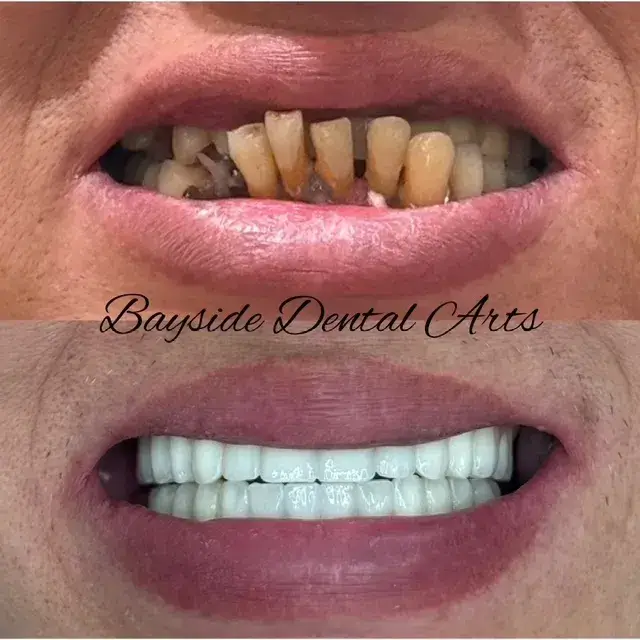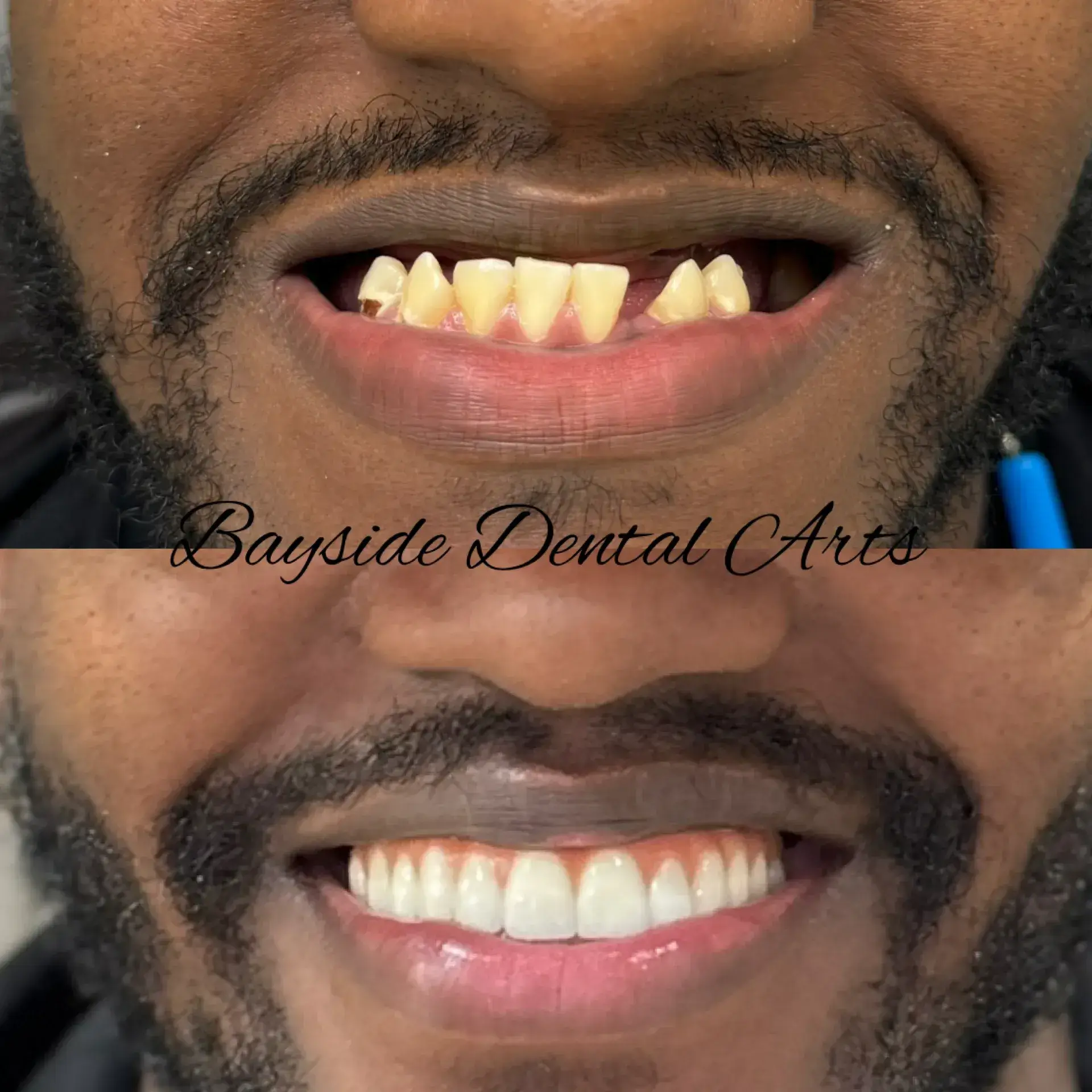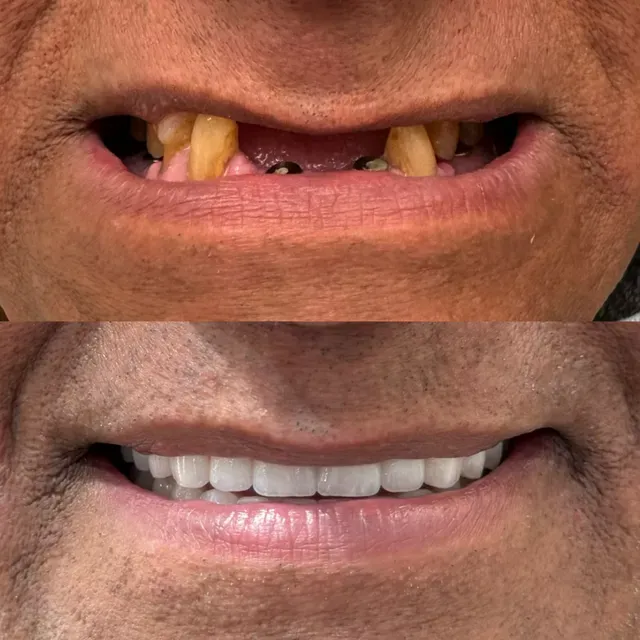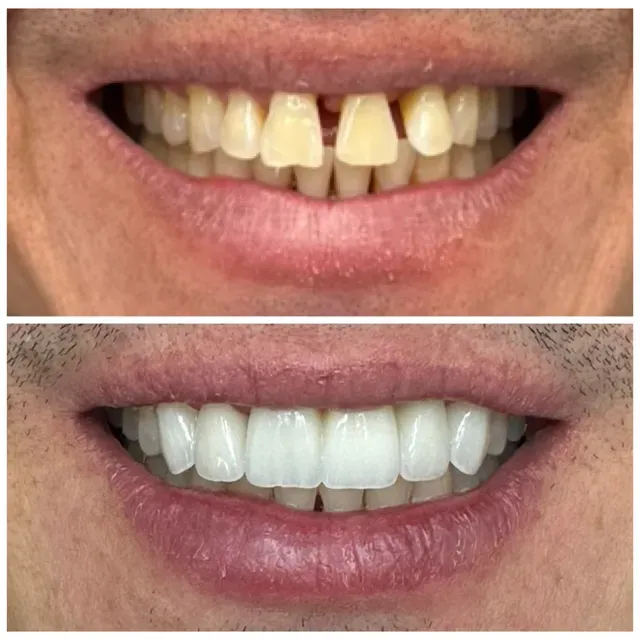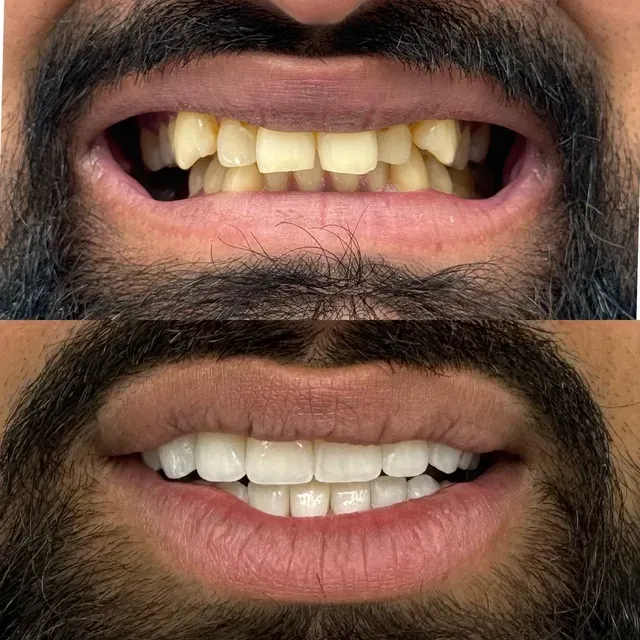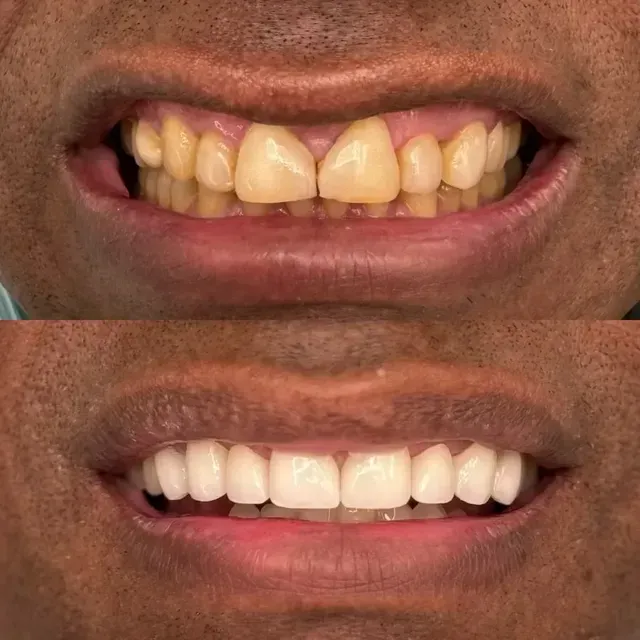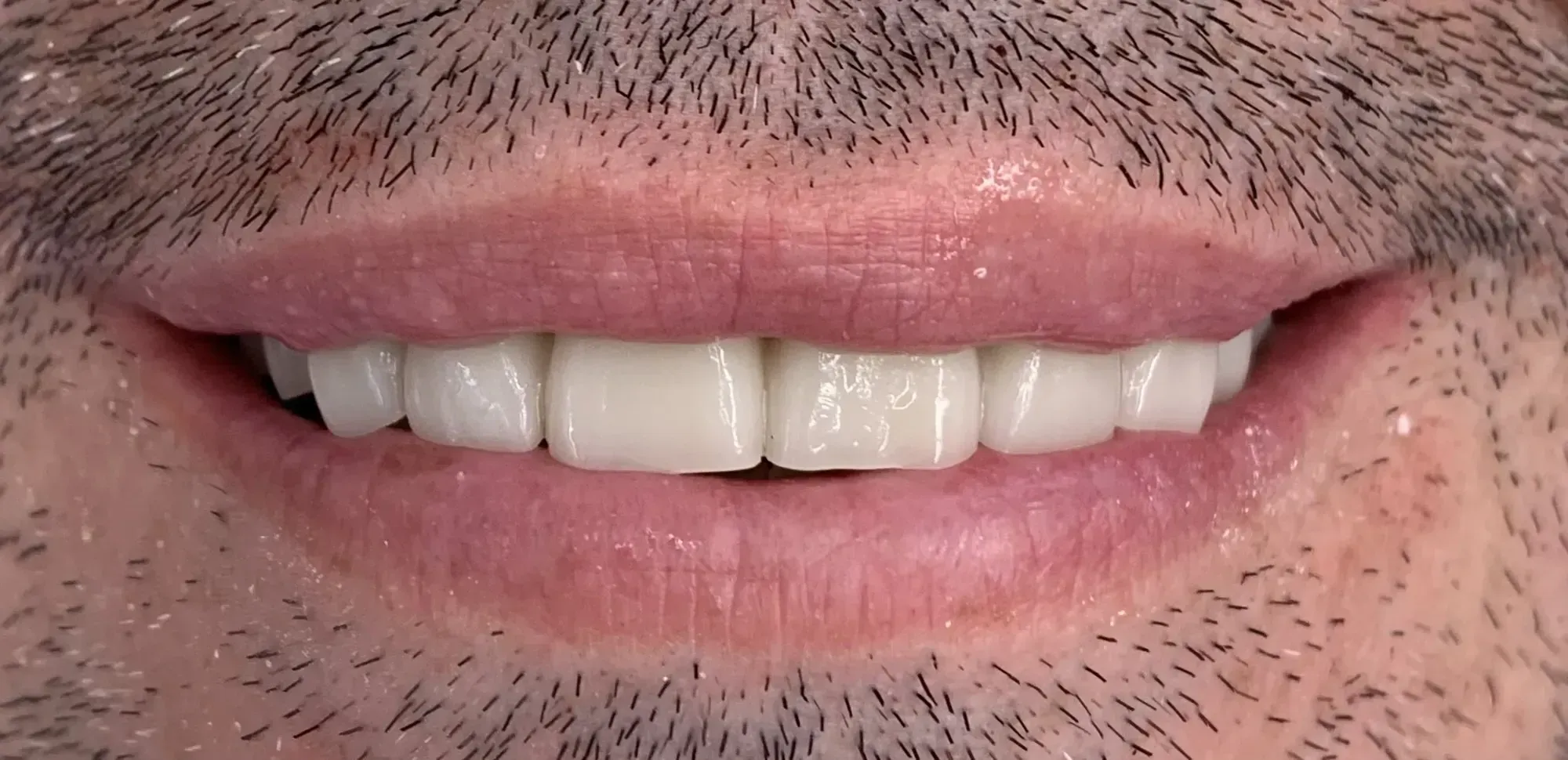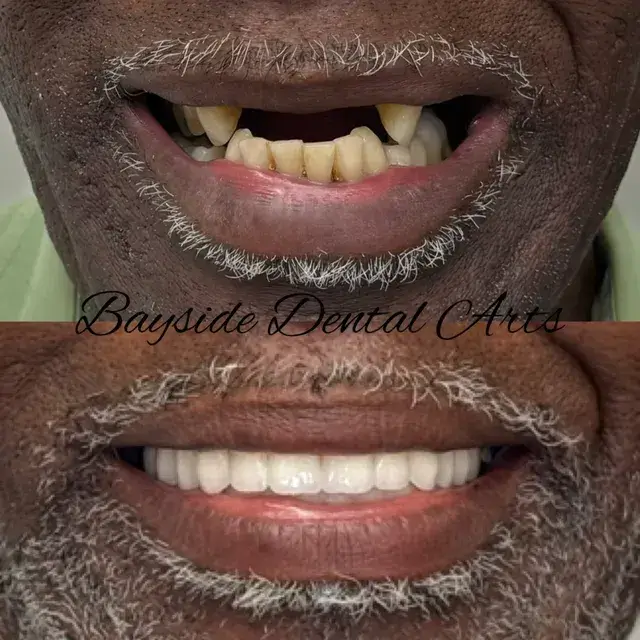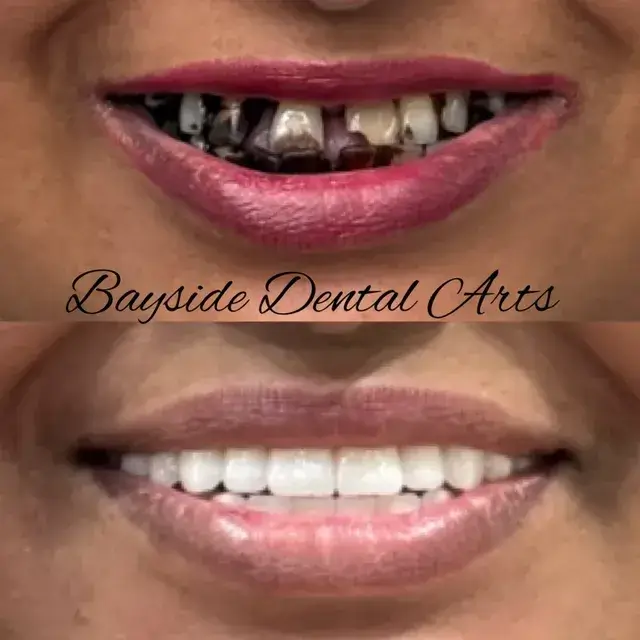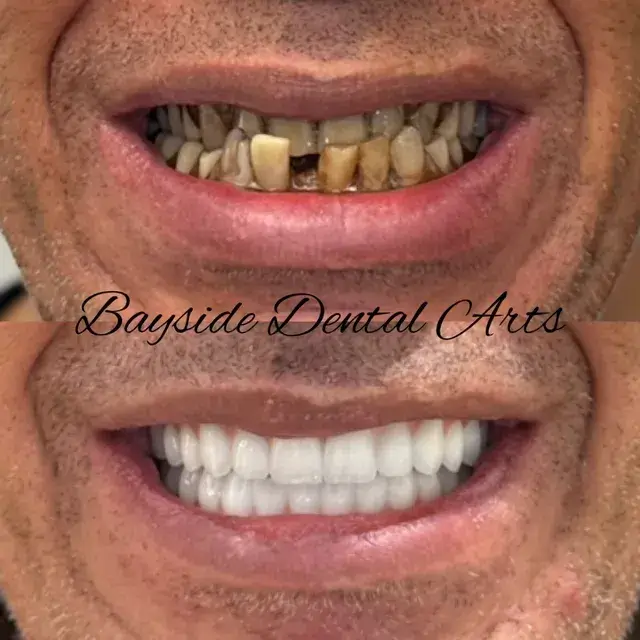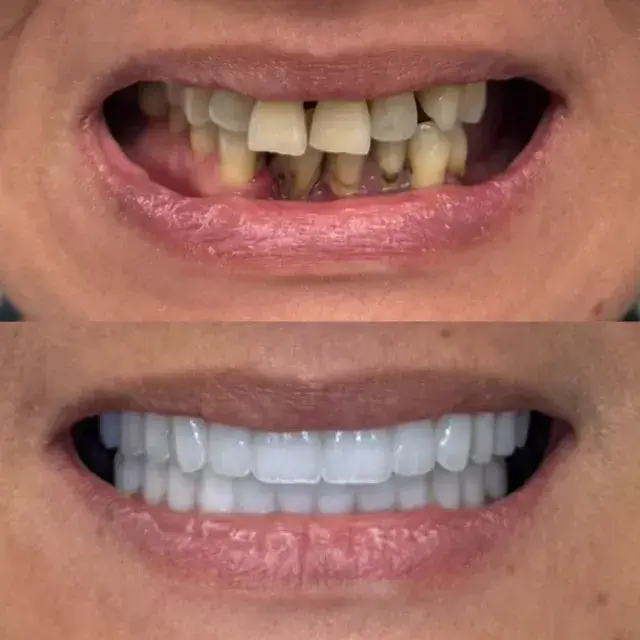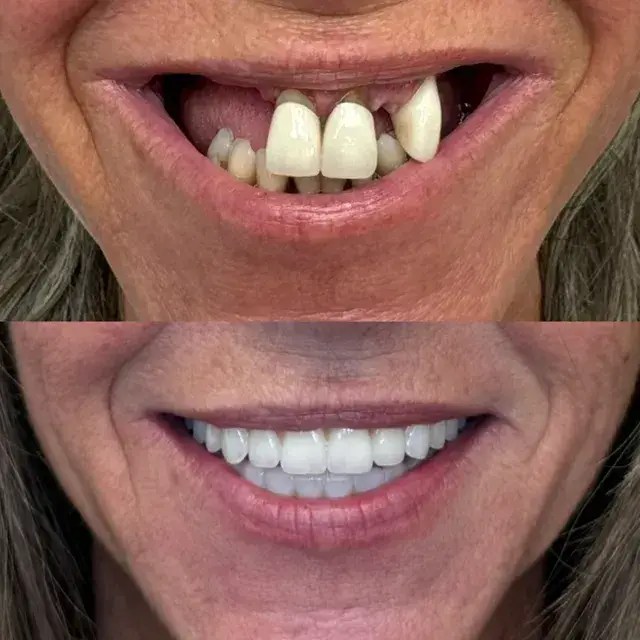
Filling the gap, restoring your bite.
A missing tooth does more than change how your smile looks. The teeth next to the gap can tilt or drift over time, and the jawbone underneath can start to shrink. At Bayside Dental Arts, Dr. Andrey Ilyabayev fits custom dental bridges that fill the gap with a fixed, natural-looking replacement anchored to the teeth on either side.
What Is a Dental Bridge
A dental bridge is a fixed replacement tooth, called a pontic, held in place by crowns on the natural teeth on either side of the gap, known as abutment teeth. Once cemented, a bridge functions and feels like your natural teeth, and unlike a denture, it is not removed for cleaning or sleeping. For some patients, dental implants are a better long-term fit instead, since an implant replaces the tooth root directly rather than relying on neighboring teeth for support.
What Makes This Treatment Worth It
Are You a Candidate?
A bridge works best when you are missing one to three teeth in a row, with healthy natural teeth available on either side to serve as abutments. Dr. Ilyabayev evaluates your gum health first, since active gum disease needs to be treated before a bridge can be placed successfully. Good general and oral health supports a predictable, long-lasting result.
Types of Dental Bridges
The Bridge Process
Recovery After Getting a Bridge
Most patients adjust to a new bridge within one to two weeks. Mild sensitivity to hot or cold, along with some soreness around the abutment teeth, is normal in the first few days as your gums settle. Speech may feel slightly different at first but typically returns to normal quickly as you get used to the bridge in place. Sticking to softer foods for the first few days after your final bridge is placed can help ease the adjustment.
Caring for Your Bridge
A bridge is brushed and flossed like your natural teeth, though the area underneath the replacement tooth needs extra attention. Floss threaders, a water flosser, or a small interdental brush can clean beneath the pontic where a regular floss strand cannot reach.
Call us if you notice pain when biting, a loose or shifting feeling, or a visible gap forming at the gumline near an abutment tooth. These can signal that the cement seal is breaking down or that decay has developed on an abutment tooth underneath a crown, and catching it early is usually a simple fix.
Frequently Asked Questions
Will My Bridge Feel Different From My Natural Teeth
Most patients adjust within a week or two. Your bridge is custom fitted to your bite, so eating and speaking should feel close to normal once you are used to it.
How Long Do Dental Bridges Last
A 2023 review of clinical studies for the Canadian Agency for Drugs and Technologies in Health found bridges have an estimated lifespan of about 10 years with proper care, with survival rates reported around 90 percent at the 5 year mark (NIH).
Do I Need the Tooth Removed Before Getting a Bridge
Only if the damaged tooth cannot be saved. Dr. Ilyabayev always looks for ways to preserve a tooth first, and if an extraction is unavoidable, a bridge or implant can be planned as part of the same treatment plan.
What Happens If I Do Not Replace a Missing Tooth
Neighboring teeth can tilt into the empty space, your bite can shift, and the jawbone beneath the gap can gradually lose density, all of which can make future treatment more involved the longer you wait.
Does Insurance Cover Dental Bridges
Most PPO dental plans cover at least a portion of a bridge, especially when it replaces a tooth lost to decay or injury. Bayside Dental Arts accepts PPO insurance and can help verify your benefits beforehand.
Close the Gap for Good
Dr. Andrey Ilyabayev and our dental team have fitted custom bridges and implants for patients throughout Bayside, Queens, Brooklyn, and Long Island for years.