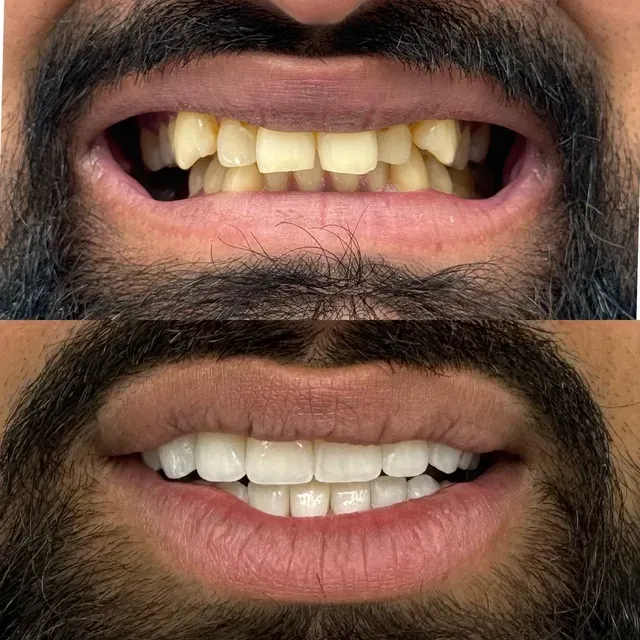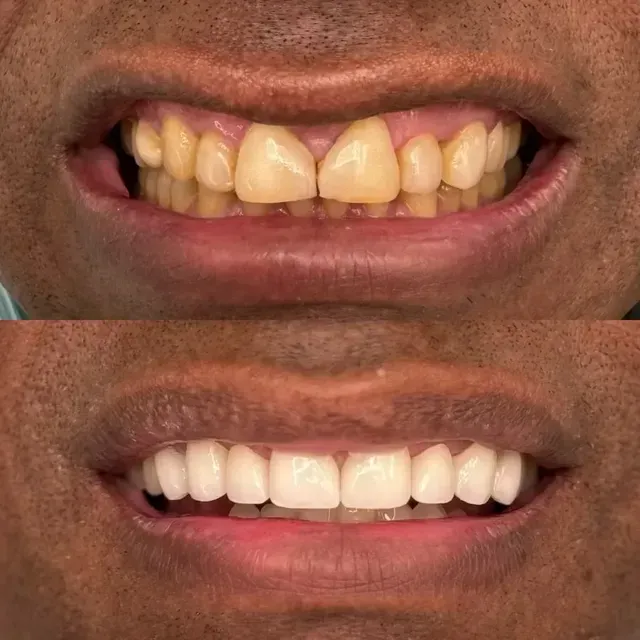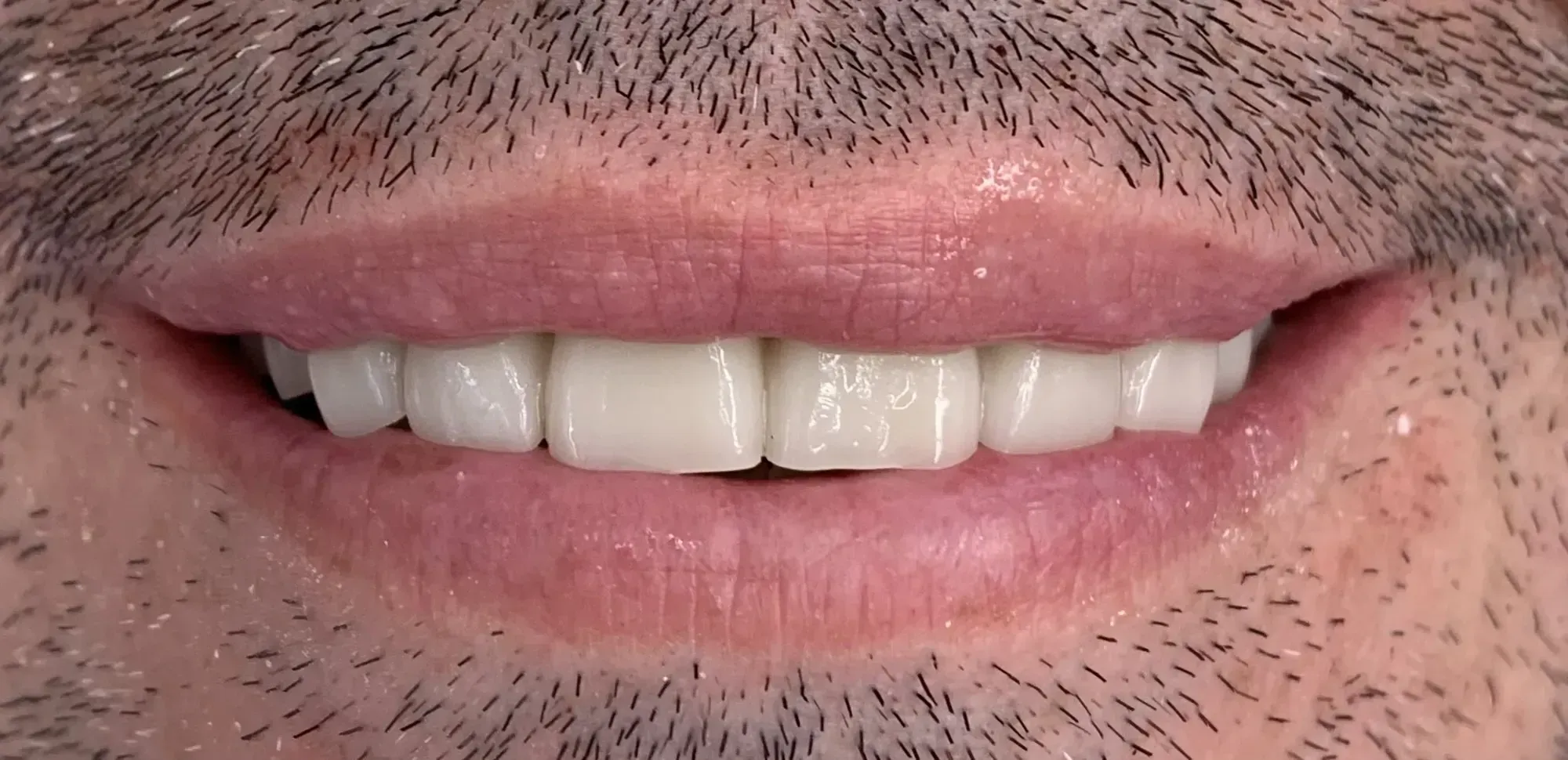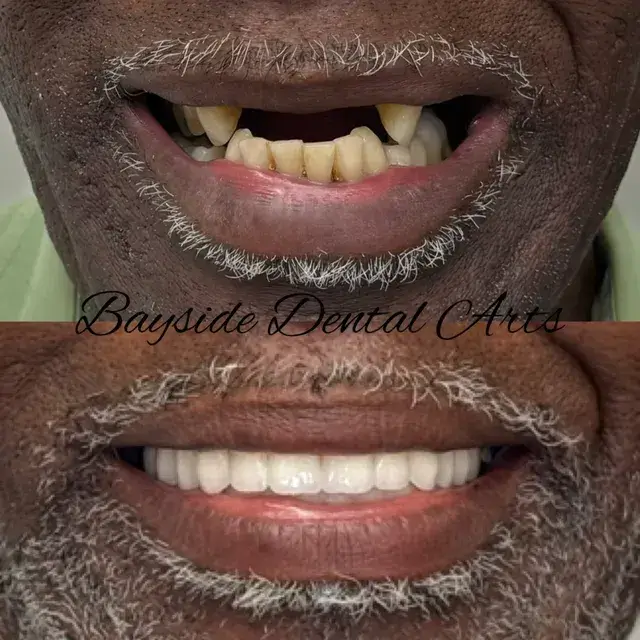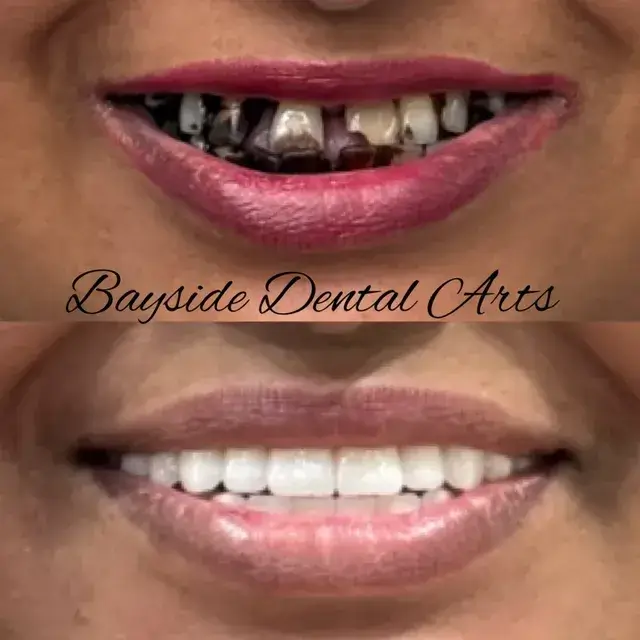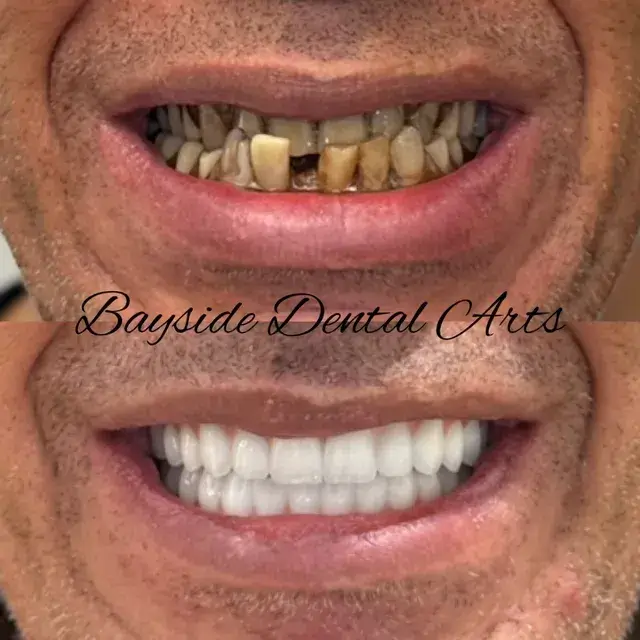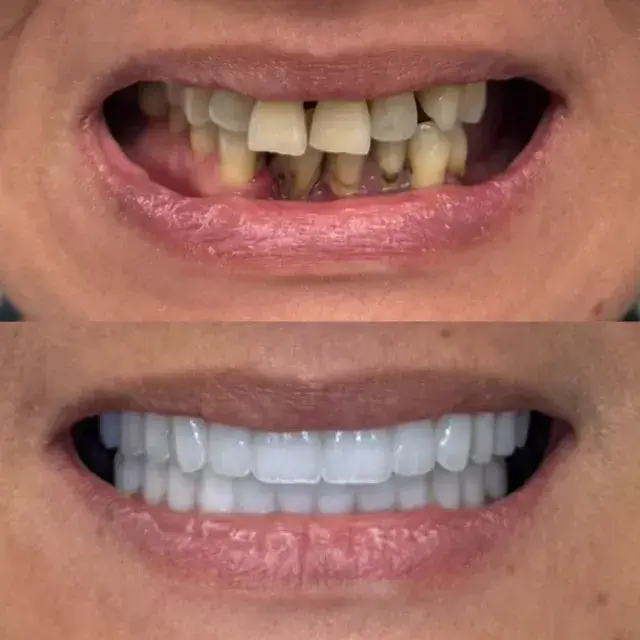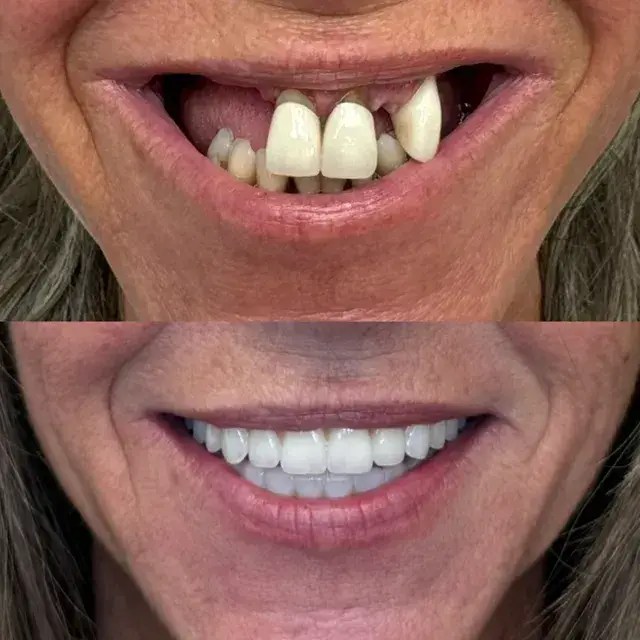
Treating decay, protecting your smile.
A cavity rarely announces itself all at once. It often starts as a small spot of decay you cannot see, then grows into sensitivity, a rough edge you feel with your tongue, or an ache when you eat something sweet. At Bayside Dental Arts, Dr. Andrey Ilyabayev treats cavities with tooth-colored fillings that stop decay in its tracks and blend in with the rest of your smile.
What Is a Dental Filling
A filling repairs the part of a tooth that decay has damaged. Once Dr. Ilyabayev removes the decayed tissue, the empty space is filled with a durable material that restores the tooth’s shape and lets you bite and chew normally again. Left untreated for too long, decay can reach the nerve inside the tooth, and a simple filling is no longer enough to fix it — at that point, root canal therapy becomes the only way to save the tooth.
Signs You May Have a Cavity
- A tooth that aches when you eat something sweet
- Sensitivity to hot or cold that lingers
- A visible dark spot or pit on a tooth
- A rough edge you can feel with your tongue
- Pain when you bite down on that tooth
- A previous filling that feels loose or has fallen out
The Filling We Use
We fill cavities with composite resin, a tooth-colored material made to match the shade of the tooth around it. Composite bonds directly to the remaining tooth structure, which means less of your natural tooth needs to be removed compared to older metal fillings. We see patients as young as four years old for fillings, so the whole family can be treated in one place.
The Filling Process
Most fillings take well under an hour and are finished in a single visit, so you can go back to eating and drinking normally once the numbness wears off.
If a Filling Comes Loose
A filling can wear down or come loose over time, especially on teeth that do a lot of chewing. Once the seal breaks, the tooth underneath is exposed to bacteria again.
If you notice a rough spot, a gap, or a piece missing from an old filling, treat it the same way you would treat a lost filling or crown. The exposed tooth is vulnerable to new decay until it is repaired, so call our office as soon as you notice a problem instead of waiting for your next cleaning.
Frequently Asked Questions
Does Getting a Filling Hurt
The area is numbed with local anesthesia before Dr. Ilyabayev removes any decay, so most patients feel pressure at most, not pain. Any soreness afterward is usually mild and fades within a day.
How Long Do Fillings Last
Composite fillings commonly last from 7 to 10 years with normal brushing, flossing, and checkups, though heavy grinding or chewing can shorten that timeline for any filling material.
Can You Get a Cavity Under an Existing Filling
Yes. A filling repairs the damage that already happened, but the edges where it meets your natural tooth can still develop new decay if plaque builds up there, which is one more reason regular cleanings matter even after a tooth has been treated.
Does Insurance Cover Dental Fillings
Most PPO dental plans cover a meaningful portion of filling costs, since treating a cavity early is far less expensive than the alternative. Bayside Dental Arts accepts PPO insurance and can help verify your benefits before your visit.
What Happens if a Cavity Goes Untreated
Untreated decay keeps spreading deeper into the tooth. What starts as a problem a filling can fix may progress to needing a root canal, a crown for a more extensively damaged tooth, or in the most advanced cases, an extraction.
Do Not Let a Small Cavity Wait
Dr. Andrey Ilyabayev and our dental team have treated patients throughout Bayside, Queens, Brooklyn, and Long Island for years, and a simple filling today is almost always easier than the treatment a cavity needs tomorrow.