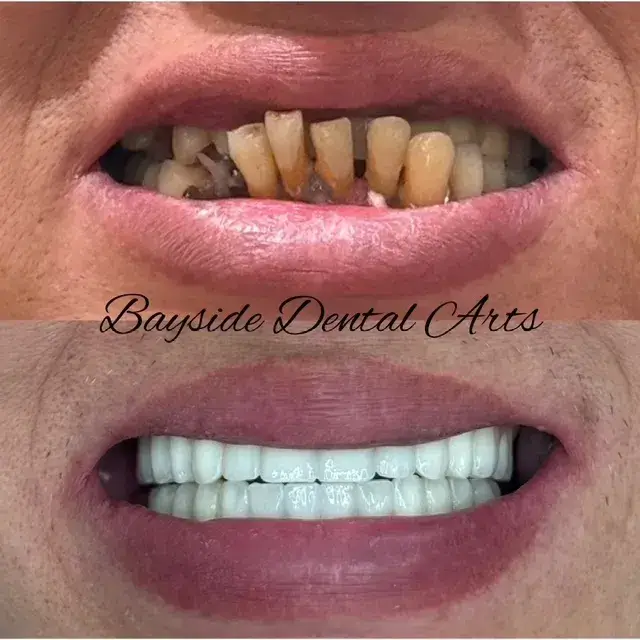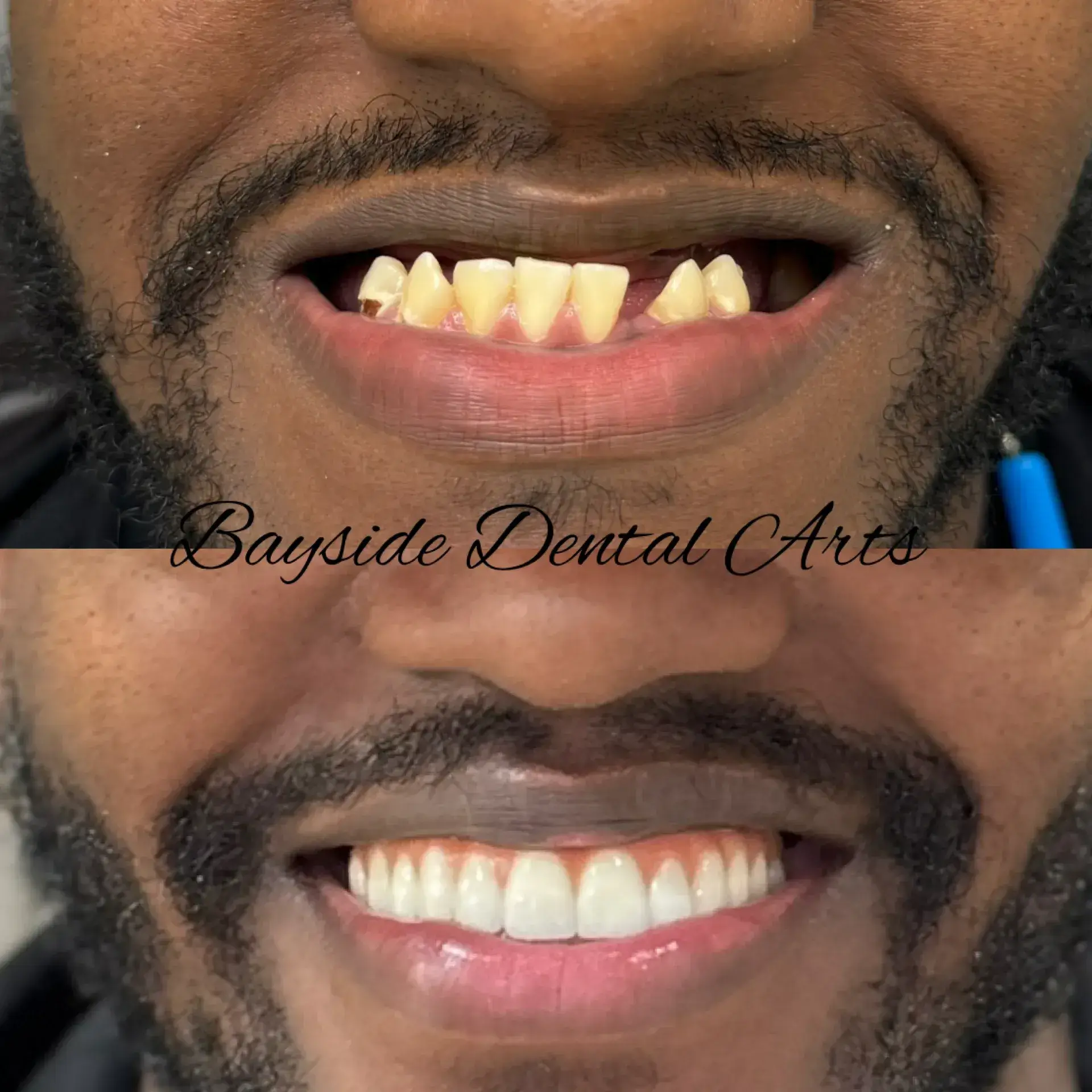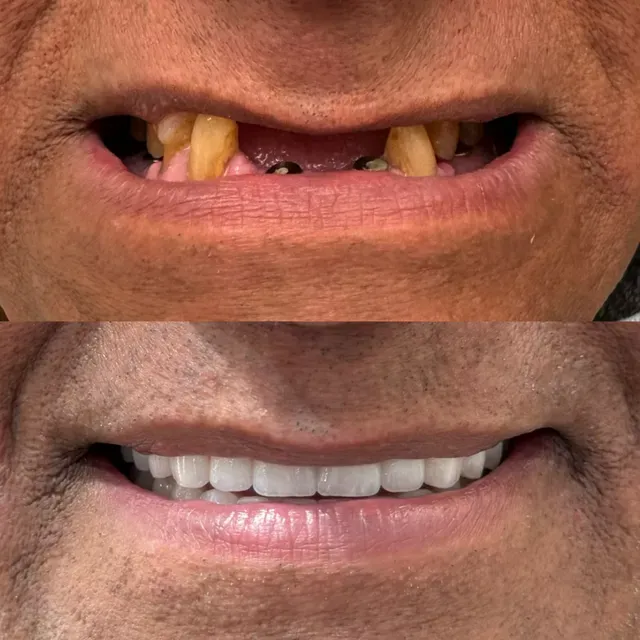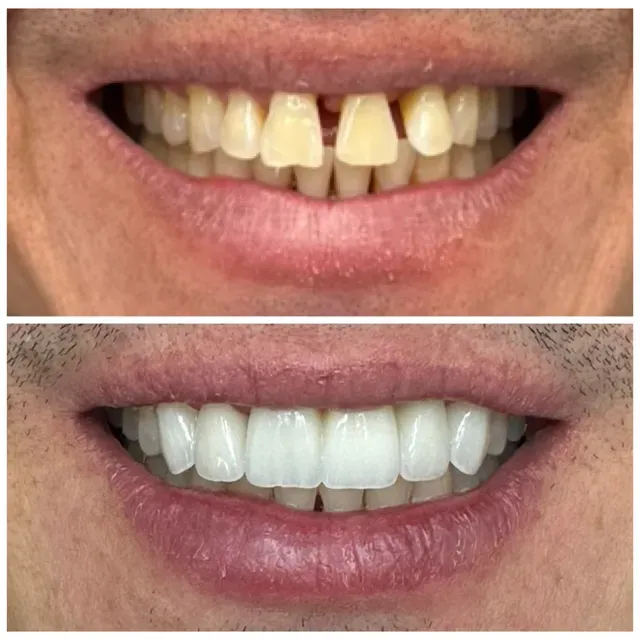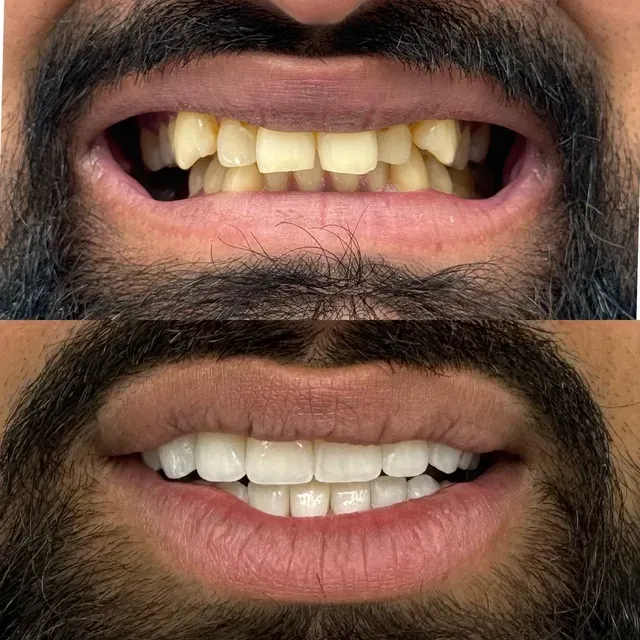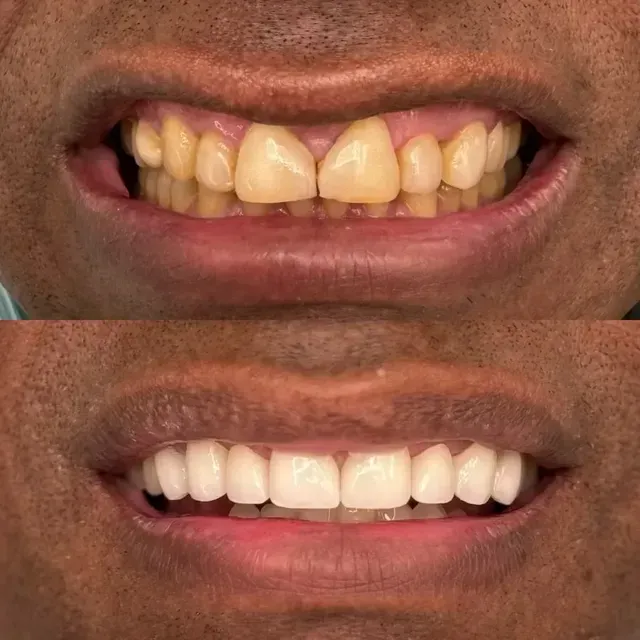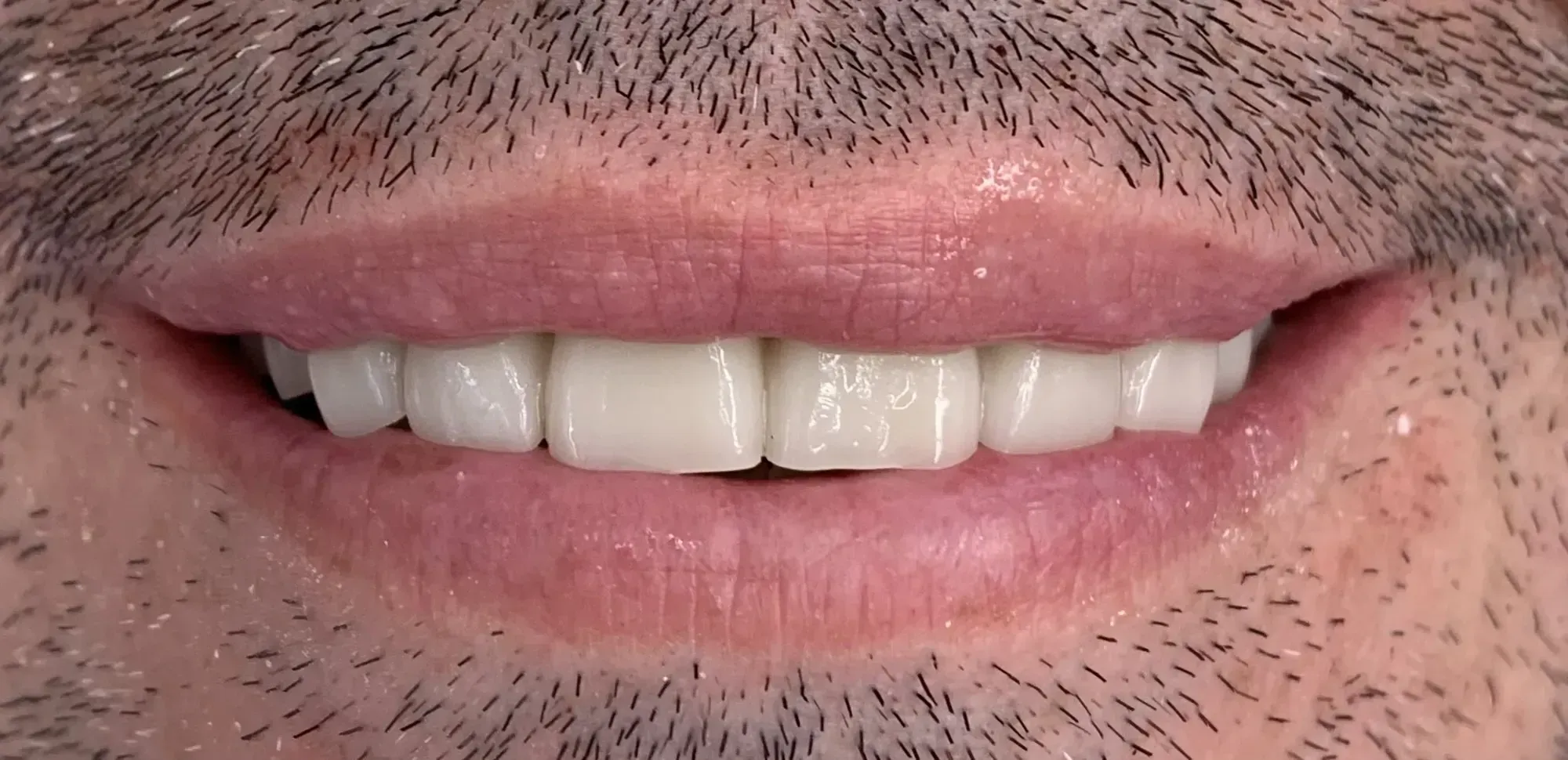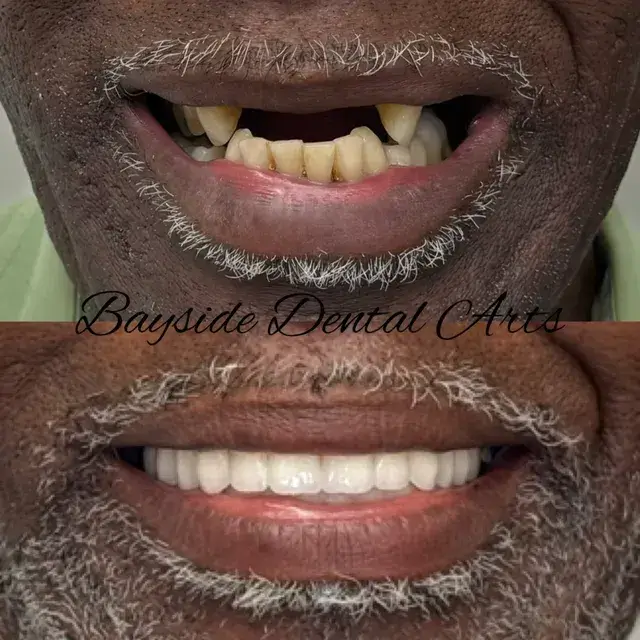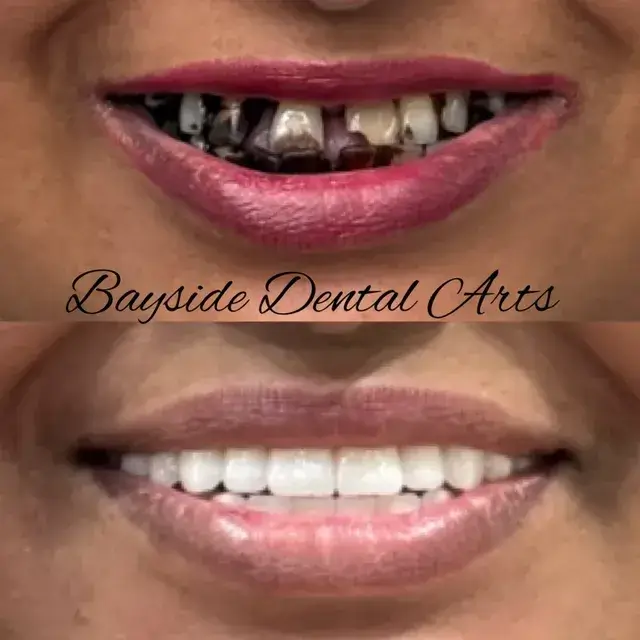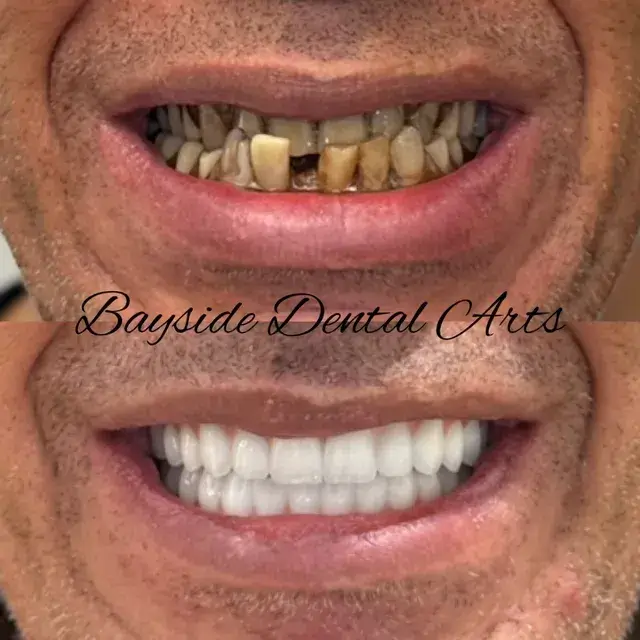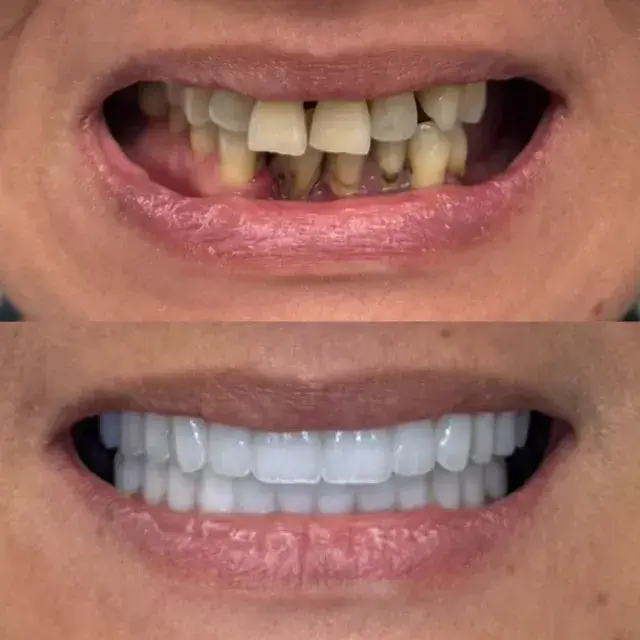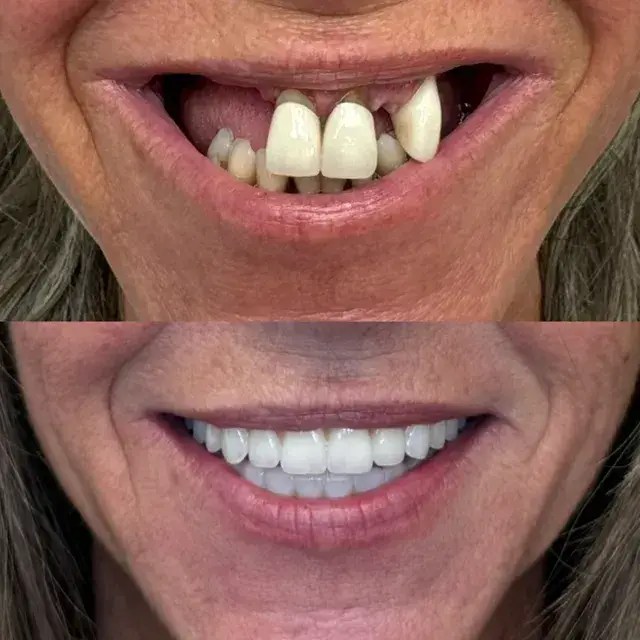
Same teeth. New shade.
Professional teeth whitening lifts years of surface staining without touching the structure of your teeth. Dr. Andrey Ilyabayev offers dentist-supervised whitening for patients across Bayside, Queens, and the surrounding NY area.
Why Teeth Change Color
Most staining comes from coffee, tea, red wine, and tobacco building up on the tooth surface over time. Other discoloration develops from inside the tooth itself, caused by aging, certain medications, or past trauma. Because these two types of staining respond differently to whitening, Dr. Ilyabayev evaluates your teeth first to set realistic expectations. According to the ADA’s MouthHealthy resource, yellow-toned teeth typically bleach well, while brown or gray-toned teeth may respond less predictably (MouthHealthy, ADA).
Dentists refer to surface staining as extrinsic and staining that develops from within the tooth as intrinsic. Extrinsic stains generally respond best to whitening since the bleaching gel, typically hydrogen peroxide or carbamide peroxide, works by breaking down stain compounds sitting on and just beneath the enamel surface. Intrinsic staining lives deeper in the dentin and can be more stubborn, which is part of why an evaluation beforehand matters more than picking a product off a shelf.
Are You a Candidate?
Most patients with healthy teeth and gums are good candidates for professional whitening. Dr. Ilyabayev checks for cavities or active gum disease first, since whitening chemicals can irritate a mouth that already has an unresolved problem. Patients with sensitive teeth or gums may want to discuss a gentler take-home approach with Dr. Ilyabayev instead of in-office treatment.
In-Office vs. Take-Home Whitening
What Happens During Your Whitening Visit
In-office whitening follows a straightforward sequence designed to protect your gums while getting the strongest results the enamel can safely take.
What Whitening Cannot Do
Whitening only works on natural tooth enamel. It will not change the color of crowns, veneers, fillings, or bonding, so if you have visible restorations, whitening the surrounding teeth can create a shade mismatch worth discussing with Dr. Ilyabayev beforehand.
Managing Sensitivity
Some sensitivity is a normal, temporary part of whitening for many patients. The bleaching gel works by penetrating the enamel to reach stain particles, and in the process it can briefly irritate the nerve endings in the layer beneath the enamel. This can cause quick, sharp twinges, sometimes called “zingers,” or a general achiness.
Sensitivity typically peaks within the first 24 to 48 hours and fades on its own within a few days. Patients who already have sensitive teeth, thinner enamel, or untreated cavities and gum disease are more likely to experience it, and occasionally it can linger for a week or two in those cases.
If sensitivity feels severe or lasts longer than a week or two, let Dr. Ilyabayev know. A fluoride treatment applied in-office can also help calm sensitive teeth after whitening.
Protecting Your Results
Your teeth are most receptive to staining in the first 48 hours after whitening.
Avoiding coffee, tea, red wine, dark sauces, and tobacco during that window, along with regular brushing, flossing, and cleanings at Bayside Dental Arts, helps your results last as long as possible.
Frequently Asked Questions
Is Teeth Whitening Safe?
Yes, when performed or supervised by a dentist. Some patients experience temporary sensitivity or gum irritation, which typically resolves within a few days.
Will Whitening Work on My Crowns or Veneers?
No. Whitening only affects natural tooth enamel and will not change the shade of crowns, veneers, fillings, or bonding.
How Many Shades Whiter Can I Expect?
Many patients see an improvement of about five to ten shades after in-office whitening, though results depend on your starting shade and the type of staining involved.
How Long Do Results Last?
Results typically last around a year. Avoiding staining foods and drinks and keeping up with regular cleanings helps your results last longer, and touch-up treatments can refresh your shade over time.
Does Insurance Cover Teeth Whitening?
Teeth whitening is generally considered cosmetic, so it is often not covered by insurance. Bayside Dental Arts offers PPO insurance and financing through CareCredit, Cherry, Alphaeon, and LendingClub.
Ready for a Brighter Smile?
Dr. Ilyabayev will evaluate your teeth to recommend the whitening approach best suited to your goals.