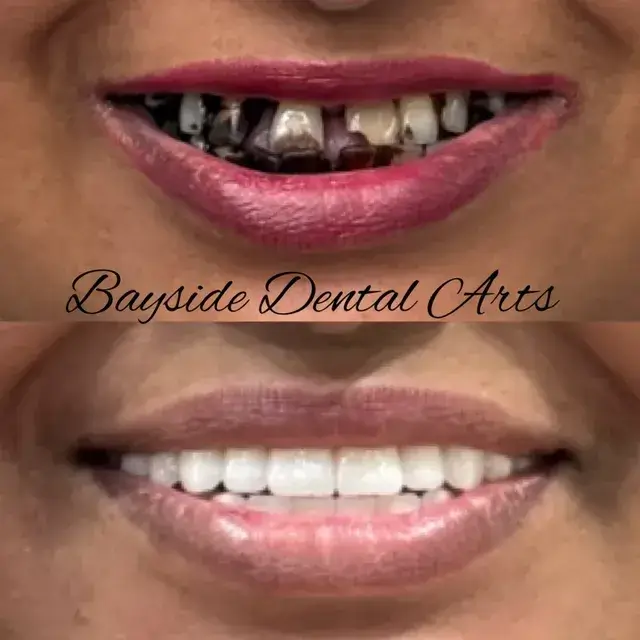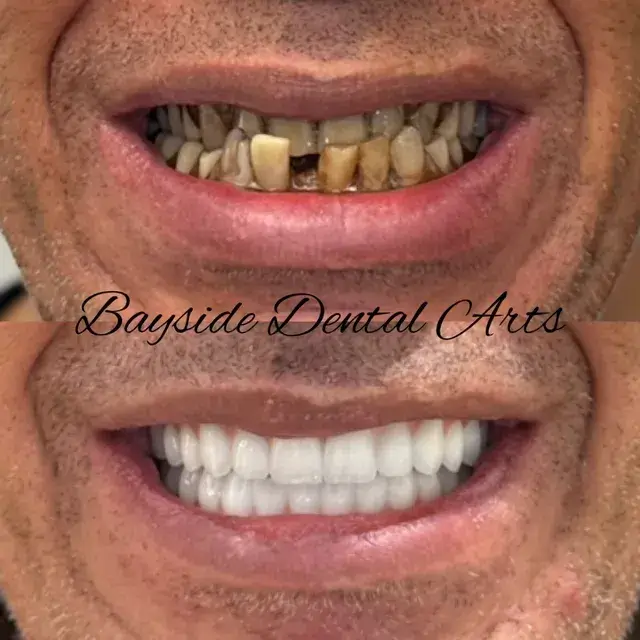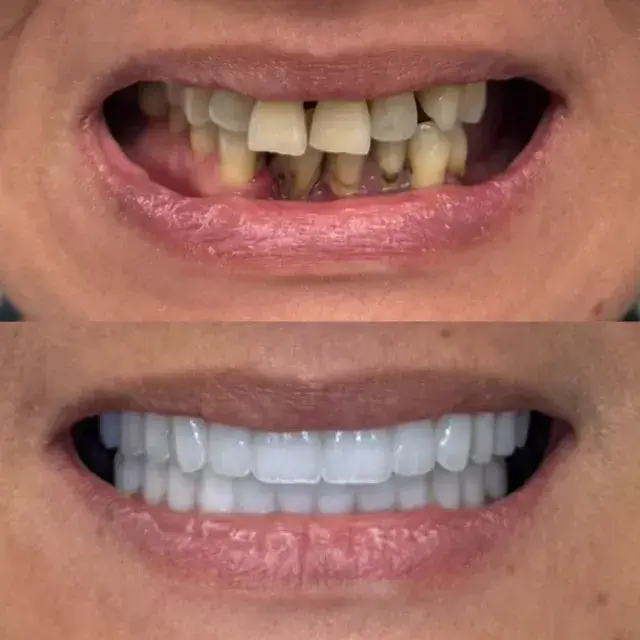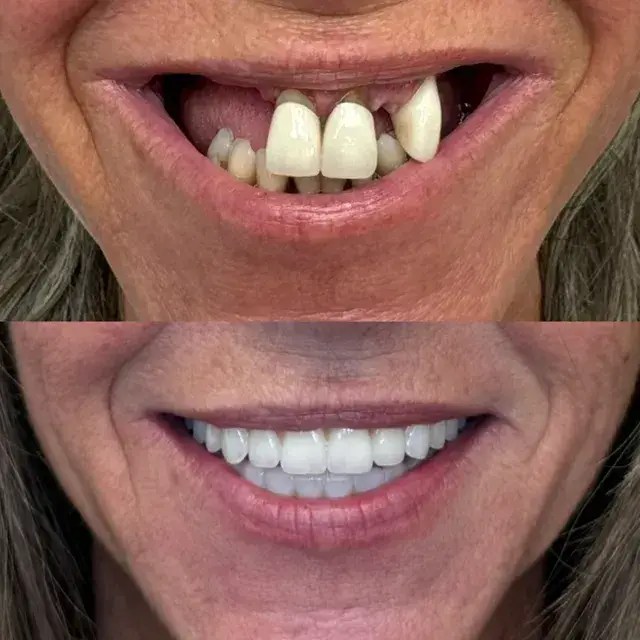
All-on-6 Dental Implants in Bayside, NY
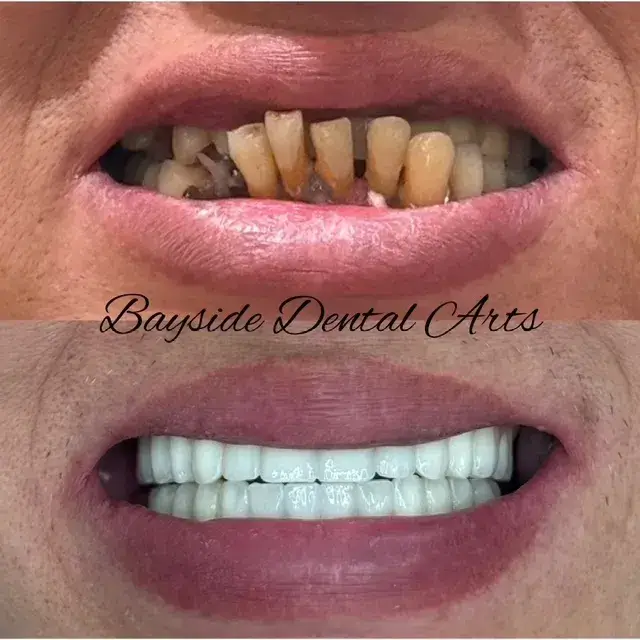
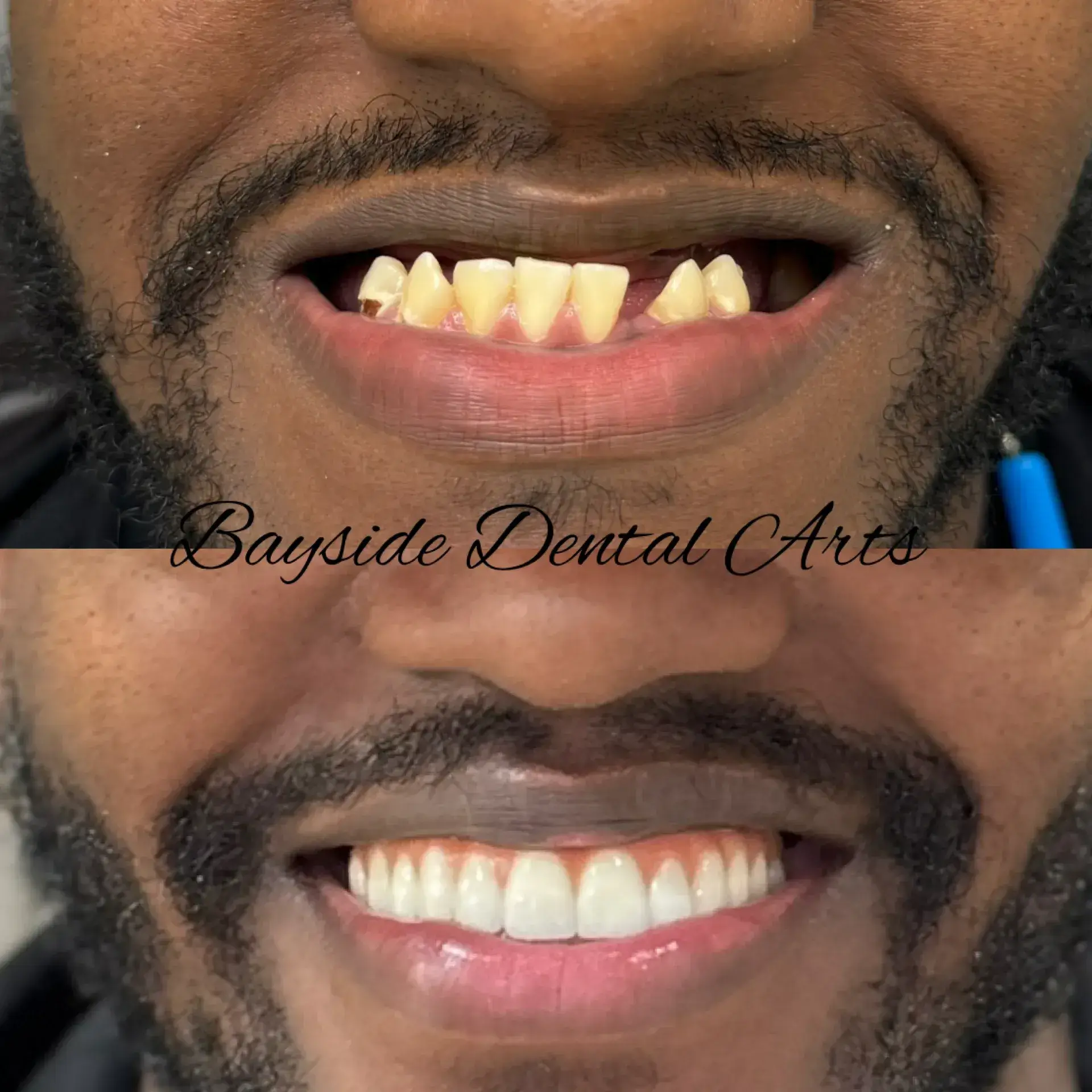
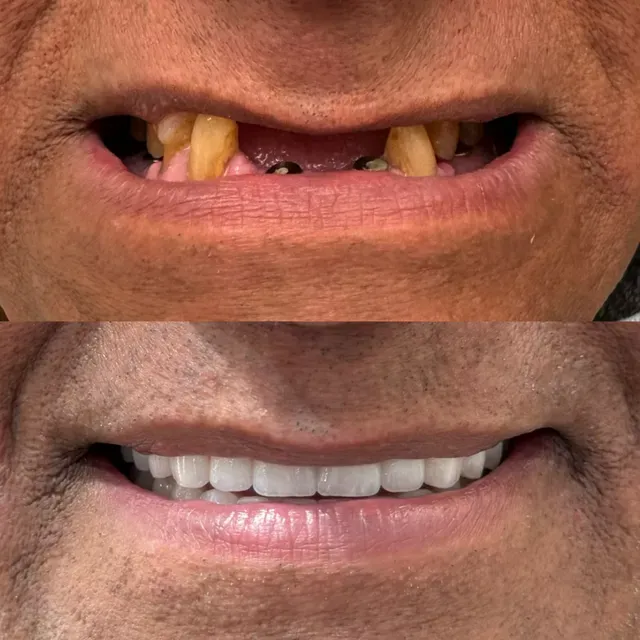
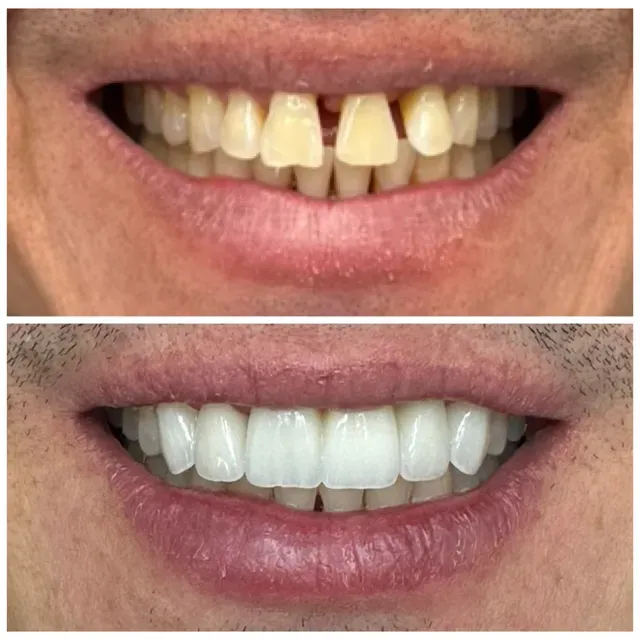
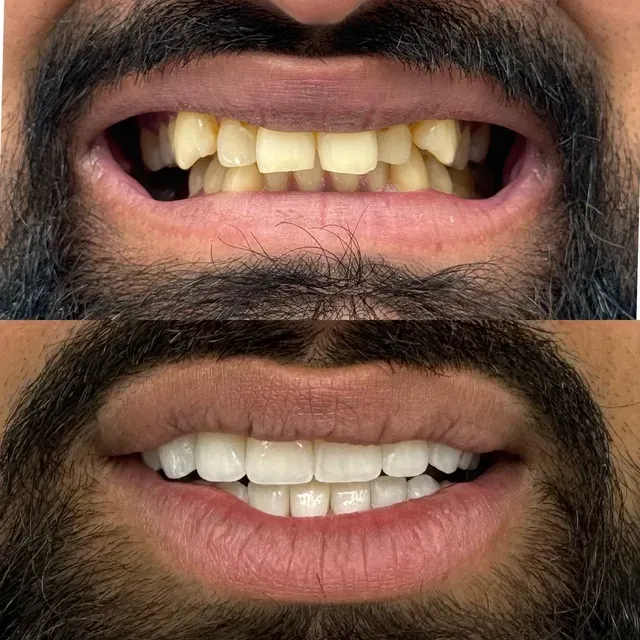
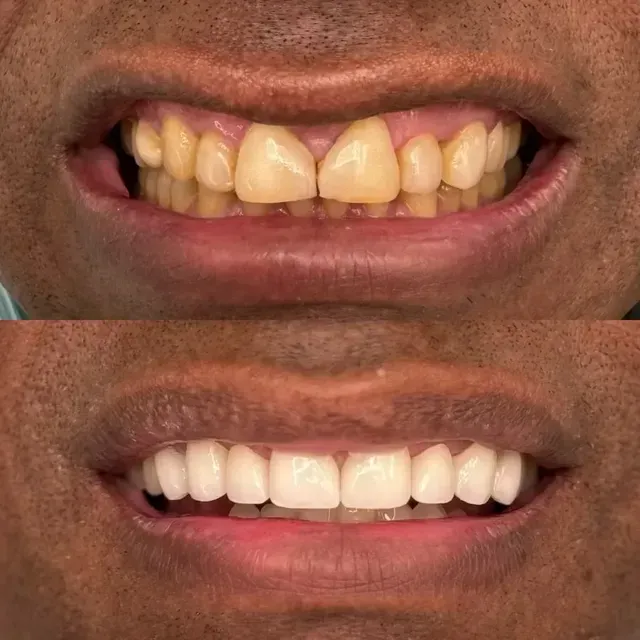
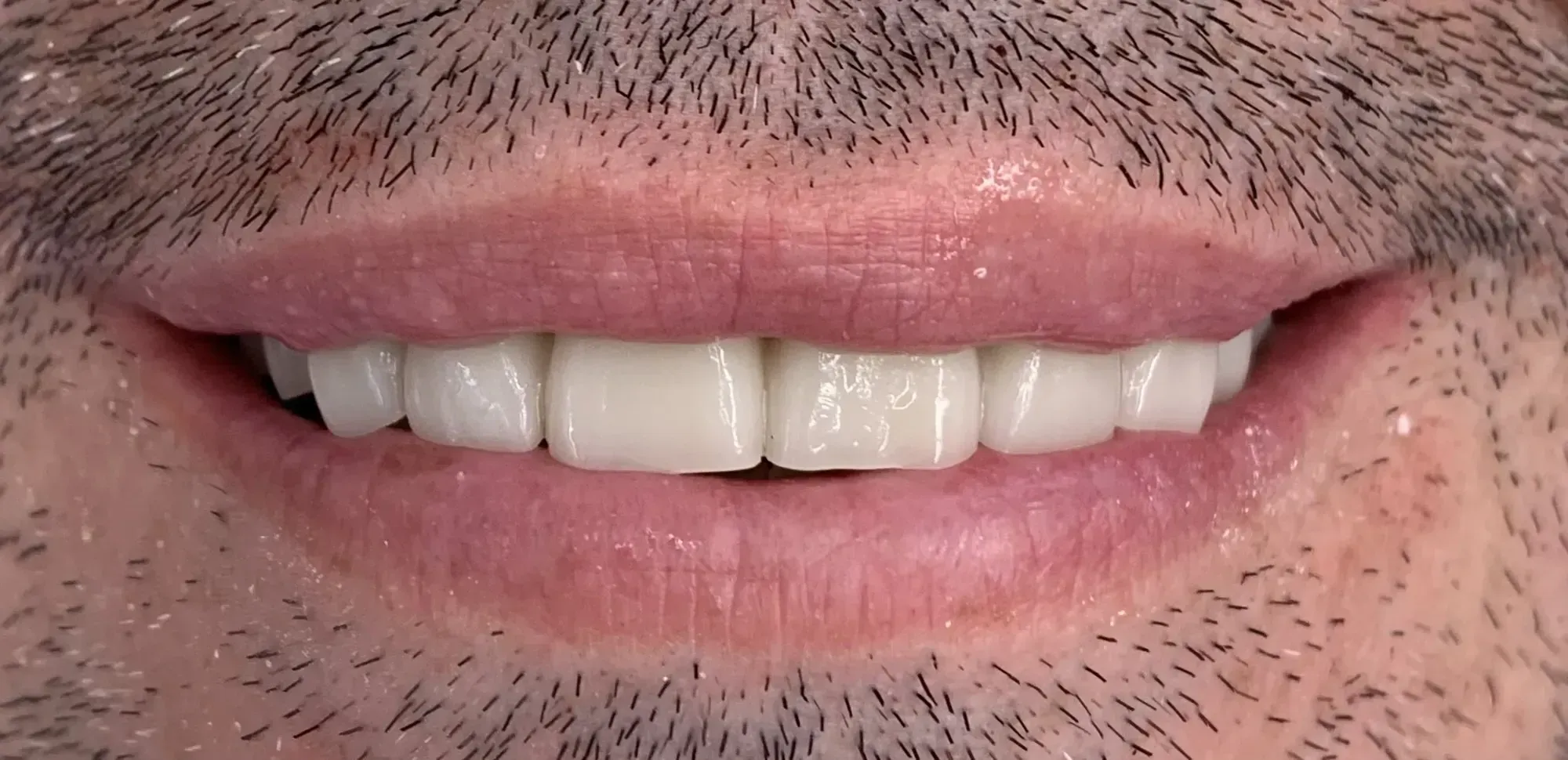
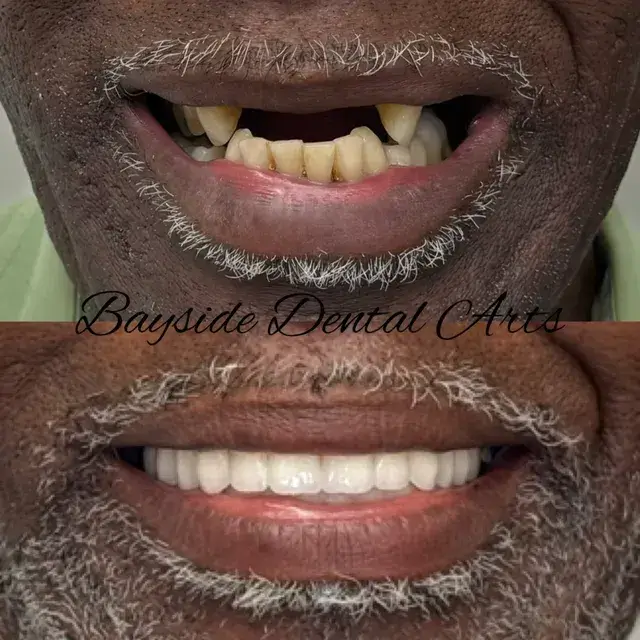
Six implants. One stable arch. All-on-6 replaces a full arch of missing or failing teeth with a fixed, non-removable set of teeth supported by six strategically placed implants. Dr. Andrey Ilyabayev plans and places All-on-6 restorations for patients across Bayside, Queens, and the surrounding NY area.
- Office
- 213-07 Northern Blvd, Bayside, Queens
- Hours
- Open six days a week, including Saturday and Sunday. Closed Wednesdays.
- Implants
- Six per arch: two front, two middle, two back
- Replaces
- Commonly twelve to fourteen teeth per arch
- Imaging
- 3D imaging of bone volume and jaw structure
- Payment
- Free consultation. PPO insurance and financing through CareCredit, Cherry, Alphaeon, and LendingClub
What Is All-on-6?
All-on-6 replaces a full arch of missing or failing teeth using six dental implants instead of four. The name refers to the entire arch, all of your upper or lower teeth, supported on six implants rather than one implant per missing tooth. Distributing the forces of biting and chewing across six points rather than four often creates a more even load across the jawbone, which can be particularly beneficial for the upper jaw, where bone is naturally less dense than the lower jaw. For patients with a strong bite or those who want the most rigid foundation possible for their full-arch bridge, All-on-6 is often the recommended path.
The six implants are typically arranged with two toward the front, two in the middle, and two toward the back of the arch, spreading support evenly across the jaw. A full arch restored this way commonly replaces twelve to fourteen teeth on just six implants.
Beyond the clinical benefits, restoring a full arch also addresses the day-to-day impact of losing all your teeth, from avoiding certain foods to feeling self-conscious about smiling, giving you back the ability to eat, speak, and smile with confidence.
Benefits of All-on-6
-
Fixed, not removable
Unlike a denture, All-on-6 does not come out. It functions like a permanent set of teeth.
-
Preserves jawbone
The implants stimulate the jawbone the way natural roots do, helping prevent the bone loss that follows tooth loss.
-
Maximum stability
Six implants spread bite force more evenly than four, a real advantage for patients with a strong bite or lower bone density.
-
Easy to care for
Brush, floss, and see Dr. Ilyabayev for regular checkups, the same as caring for natural teeth.
All-on-6 Compared to a Traditional Denture
Patients considering All-on-6 are often comparing it to a traditional removable denture. Set side by side, the practical differences are significant.
| Traditional Denture | All-on-6 |
|---|---|
| Rests on the gums, which accelerates jawbone loss over time | Anchored to six implants, which helps preserve jawbone density |
| Held in place with adhesive, which needs daily reapplication | Fixed in place, no adhesive required |
| Can shift or slip while eating or speaking | Does not move, functions like natural teeth |
| Some foods are difficult or impossible to eat | Most foods can be eaten normally once healed |
| Removed nightly for cleaning | Brushed in place like natural teeth |
| Often needs relining or replacement every 5 to 10 years | Designed as a long-term, fixed solution |
Who Is a Candidate for All-on-6?
The choice between four or six implants is largely dictated by your unique anatomy. A wider jaw, a larger mouth, or a stronger bite force often points toward the extra support of All-on-6, while patients with more moderate bone volume and a typical bite may do just as well with All-on-4. During your consultation, Dr. Ilyabayev uses 3D imaging to assess your bone volume and jaw structure. If bone density is thinner than ideal, adding two extra implants in an All-on-6 configuration provides a stability margin that All-on-4 does not. In cases where bone is severely lacking in the upper arch, Zygomatic implants can be integrated into either system to ensure a solid foundation.
- Extensive tooth loss. Missing most or all teeth in an arch
- Wider jaw or larger mouth. May benefit from the extra support six implants provide
- Strong bite force. Want the most rigid foundation available
- Severe bone loss. May still qualify with bone grafting or Zygomatic implants
All-on-6 vs. All-on-4
Both secure the same kind of fixed, permanent full arch. The difference is how many implants share the load.
All-on-6
Six implants spread bite force more evenly, often the preferred option when bone density is lower or bite force is stronger. Can also support heavier, high-translucency zirconia restorations.
All-on-4
A highly efficient, successful option when bone density is abundant, using two fewer implants to secure the same fixed, permanent bridge.
Not sure which option fits your anatomy? Call (718) 684-9465
The All-on-6 Process
-
Step 1
3D Imaging
Bone volume and density are mapped to plan implant position and angle.
-
Step 2
Implant Placement
Six implants are placed per arch, typically in a single visit lasting one to two hours.
-
Step 3
Temporary Arch
A temporary fixed arch is attached so you are not without teeth during healing.
-
Step 4
Osseointegration
Over roughly four to six months, the implants fuse with the jawbone before the final restoration is placed.
-
Step 5
Final Restoration
Once healing is confirmed, your permanent arch is fitted at a follow-up visit.
Frequently Asked Questions
How Long Does All-on-6 Last?
A large retrospective study following 709 patients with implant-supported full-arch prostheses for a mean of nearly 11 years found cumulative survival rates of 93.3 percent at 10 years and 87.1 percent at 20 years, with consistent maintenance being a key factor in long-term success (PubMed).
Will I Be Without Teeth During Treatment?
No. A temporary, fixed arch is typically attached the same day your implants are placed, so you leave with a functional set of teeth while the permanent restoration is designed.
How Long Is Recovery After All-on-6?
Most patients manage everyday activities within a few days of surgery, with some swelling and soreness in the first 48 to 72 hours being normal. Full osseointegration, where the implants fuse with the jawbone, typically takes four to six months before the final restoration is fitted.
What if I Have Severe Bone Loss?
Zygomatic implants, which anchor into the cheekbone rather than the jaw, can be integrated into an All-on-6 plan for patients whose upper jawbone is too thin to support standard implants.
Why Would I Choose All-on-6 Over All-on-4?
The decision comes down to your individual anatomy. A wider jaw, larger mouth, or stronger bite force often benefits from the extra stability six implants provide, while All-on-4 can be equally successful for patients with abundant bone density and a more typical bite.
Does Insurance Cover All-on-6?
Coverage varies by plan. Because All-on-6 is a larger treatment plan, Bayside Dental Arts offers a free consultation to walk through your options, along with PPO insurance and financing through CareCredit, Cherry, Alphaeon, and LendingClub.
Ready to Talk About a Full-Arch Solution?
Whether you and Dr. Ilyabayev decide All-on-4 or All-on-6 is the better fit, it starts with a free consultation to review your bone structure and goals. If you are coming from farther away, see our guides to Flushing dental implants, Nassau County dental implants, and Suffolk County dental implants.
Bayside Dental Arts
213-07 Northern Blvd
Bayside, NY 11361
| Monday | 9:00 AM to 5:00 PM |
| Tuesday | 9:00 AM to 5:00 PM |
| Wednesday | Closed |
| Thursday | 9:00 AM to 5:00 PM |
| Friday | 9:00 AM to 5:00 PM |
| Saturday | 9:00 AM to 5:00 PM |
| Sunday | 9:00 AM to 5:00 PM |