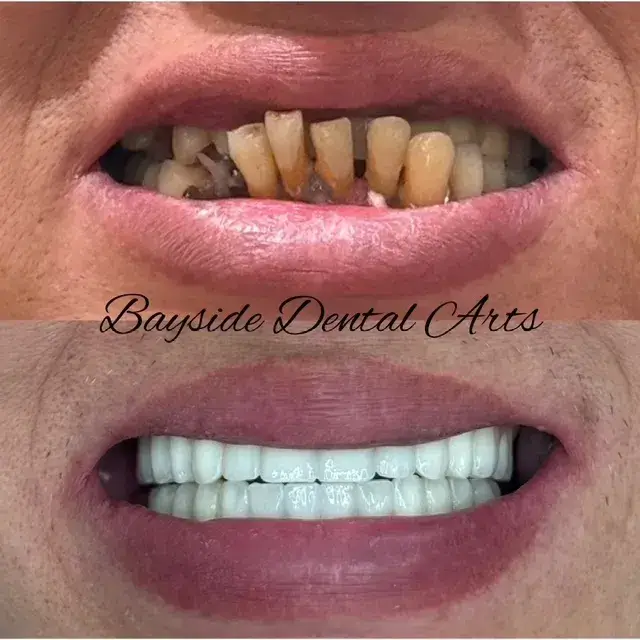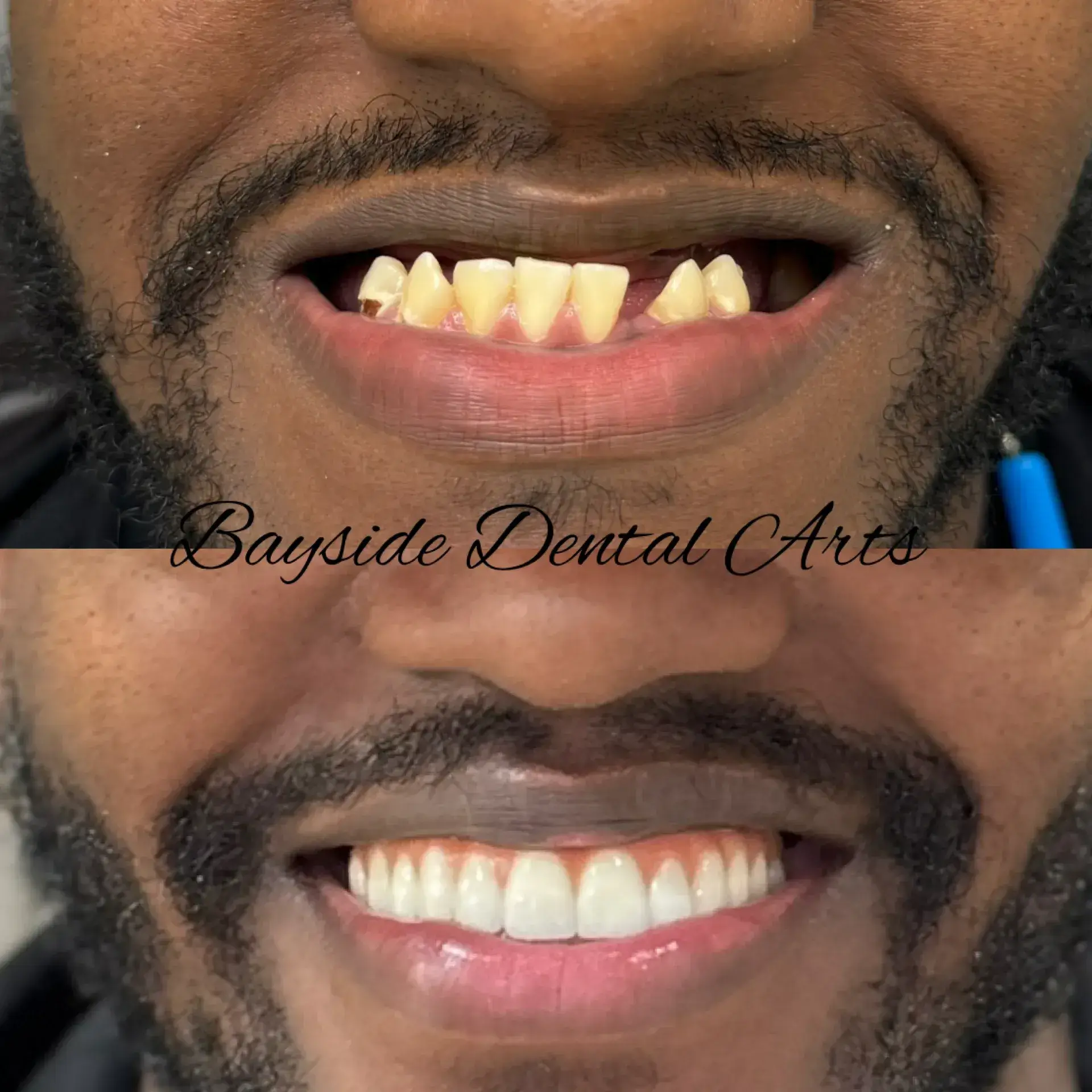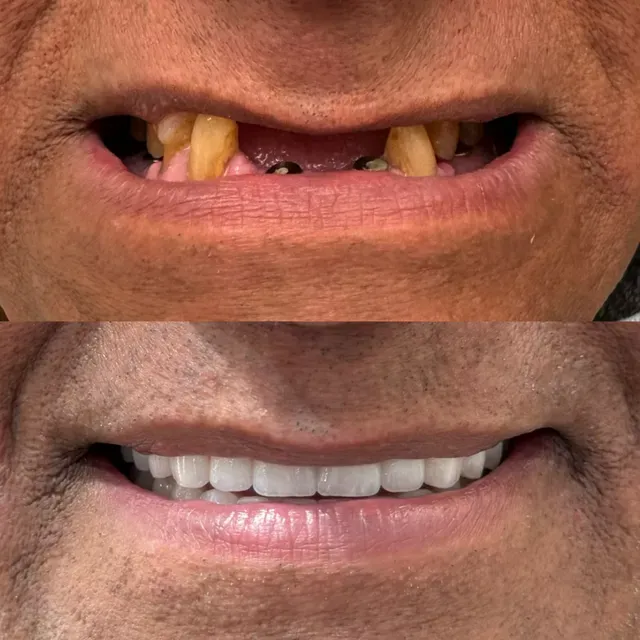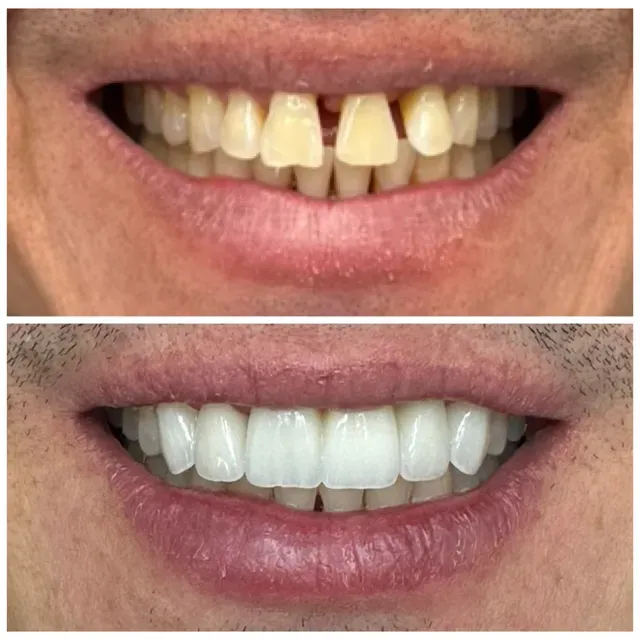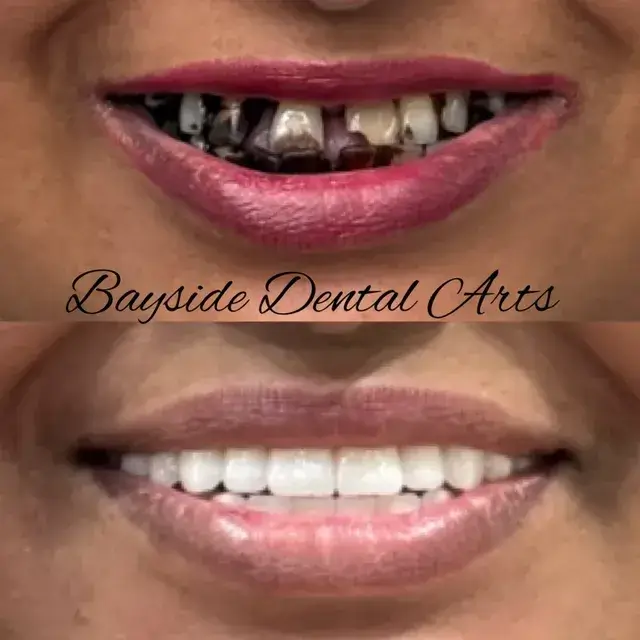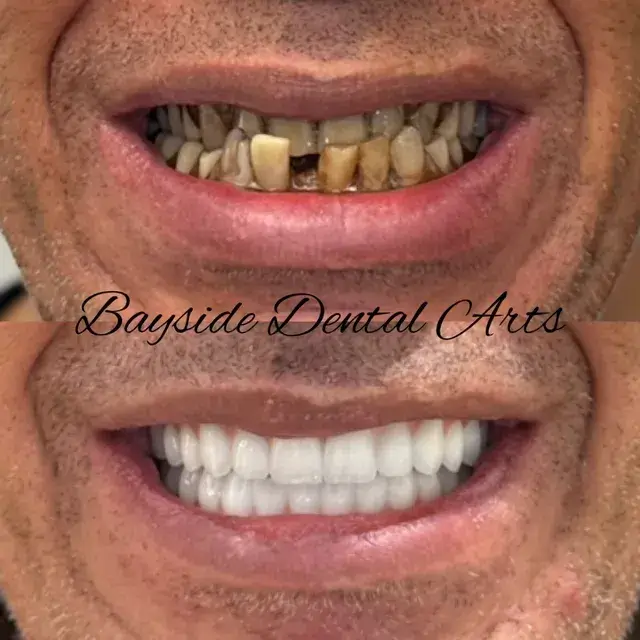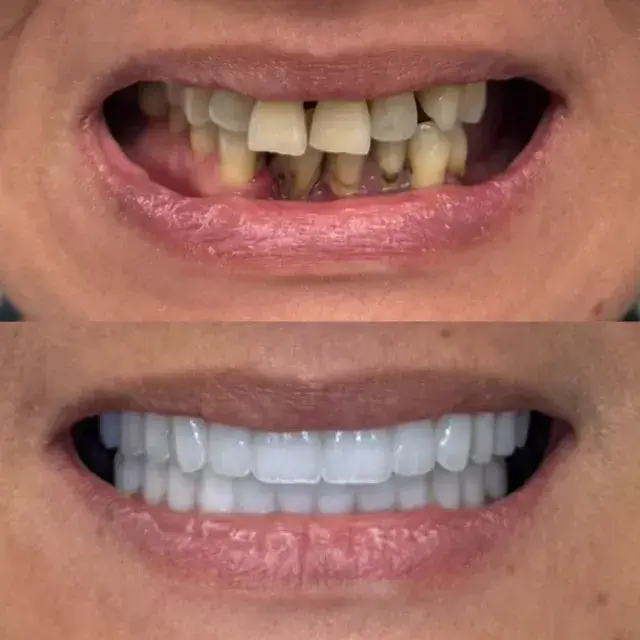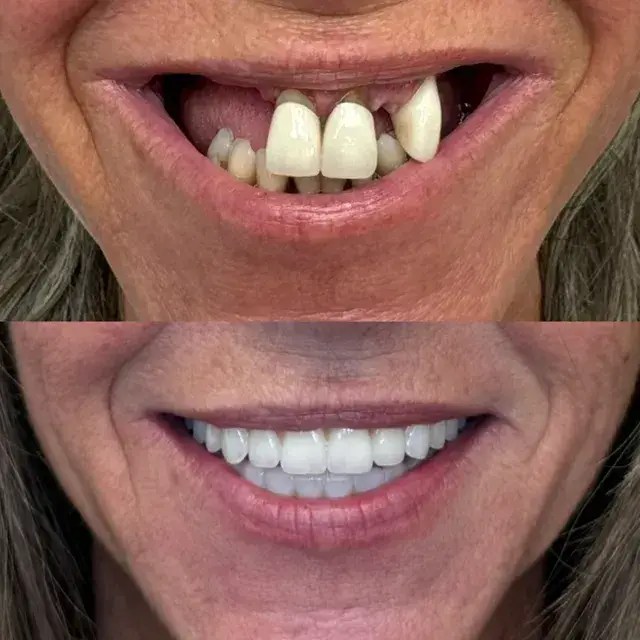
Single Tooth Dental Implants in Bayside, NY
One missing tooth. One precise solution. A single tooth implant replaces exactly what was lost, root and crown, without reshaping the healthy teeth beside it. Dr. Andrey Ilyabayev places and restores single tooth implants for patients across Bayside, Queens, and the surrounding NY area.
- Office
- 213-07 Northern Blvd, Bayside, Queens
- Hours
- Open six days a week, including Saturday and Sunday. Closed Wednesdays.
- Imaging
- 3D CBCT scan to plan depth, angle, and bone density
- Crown
- Color-matched porcelain, shaped to emerge from the gum
- Languages
- English, Spanish, and Russian
- Financing
- PPO insurance, CareCredit, Cherry, Alphaeon, and LendingClub
The Clinical Advantage of Endosteal Implants
The gold standard for single tooth replacement is the Endosteal implant. This biocompatible titanium post is surgically integrated directly into the jawbone, acting as a synthetic root. Once placed, a natural process called osseointegration occurs, where bone cells grow around the post to create a permanent bond, a level of stability a traditional bridge cannot match. Because the implant is self-supporting, the healthy teeth on either side of the gap are left untouched.
What Makes This Treatment Worth It
-
Permanent solution
Designed to last, with no daily removal and no adhesives required.
-
Looks and feels natural
A color-matched crown blends with your surrounding teeth.
-
Preserves your jawbone
The implant stimulates the jawbone the way a natural root does.
-
Protects adjacent teeth
The healthy teeth on either side of the gap are never reshaped or ground down.
Your Treatment, Step by Step
-
Step 1
Consultation and 3D Scan
Dr. Ilyabayev maps your jawbone with 3D CBCT imaging to plan the exact depth, angle, and bone density before surgery.
-
Step 2
Implant Placement
The titanium post is placed directly into the jawbone under local anesthetic, in the socket of the missing tooth.
-
Step 3
Osseointegration
Over several months, bone cells grow around the post, fusing it in place as securely as a natural root.
-
Step 4
Custom Crown Placement
A color-matched porcelain crown is designed and fitted, shaped to emerge from the gum like a natural tooth.
Comparing Your Options for One Missing Tooth
A single missing tooth is usually treated one of three ways, and each comes with real tradeoffs worth understanding before you decide.
Dental Implant
Replaces the root and crown independently. The teeth on either side of the gap are never touched, and the implant helps preserve the jawbone underneath it.
Traditional Fixed Bridge
Anchors a replacement tooth to the two neighboring teeth, which have to be ground down and crowned to support it, even if they were healthy beforehand.
Removable Partial Denture
A removable appliance that fills the gap without surgery, though it must be taken out for cleaning and can shift while eating or speaking.
Want help deciding which option is right for you? Call (718) 684-9465
Why Waiting Makes a Difference
The jawbone beneath a missing tooth needs regular pressure from chewing and biting to stay strong. Without a tooth root there to provide that pressure, the body gradually breaks down the bone in that area, a process called resorption. Over months and years, this can leave less bone to work with, shift neighboring teeth out of position, and change the shape of your face along the jawline where the tooth used to be.
Why this matters for treatment
The sooner a missing tooth is replaced with an implant, the more likely you are to have enough healthy bone for a straightforward Endosteal implant. Waiting longer sometimes means bone grafting becomes necessary first, which adds time and an additional procedure to your treatment plan.
Solutions for Diverse Bone Structures
Not every patient has the bone volume required for a traditional post, and that does not rule out an implant.
- Most common: Endosteal implant. Placed directly into the jawbone, this is the standard approach for patients with sufficient bone volume and density.
- Bone-sparing option: Subperiosteal implant. Placed under the gum tissue, resting on or above the jawbone rather than inside it, an option for patients with a shallow jawbone or unique anatomy, from the North Shore of Long Island to the heart of Bayside.
Aesthetic Integration and Long-Term Care
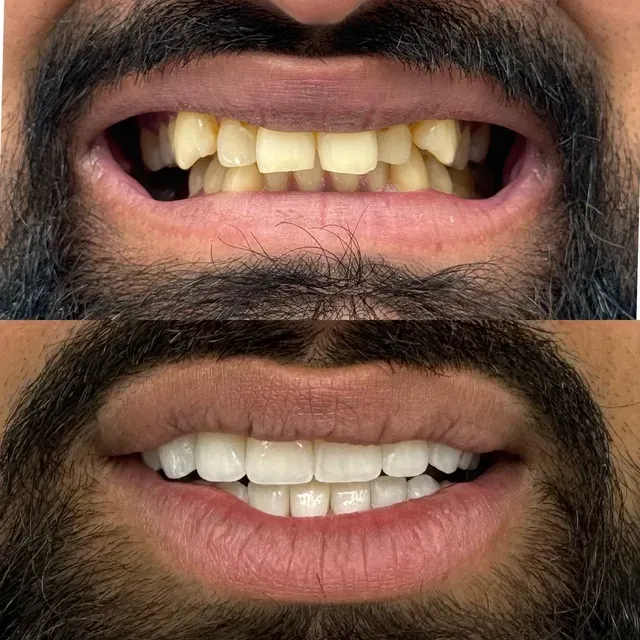
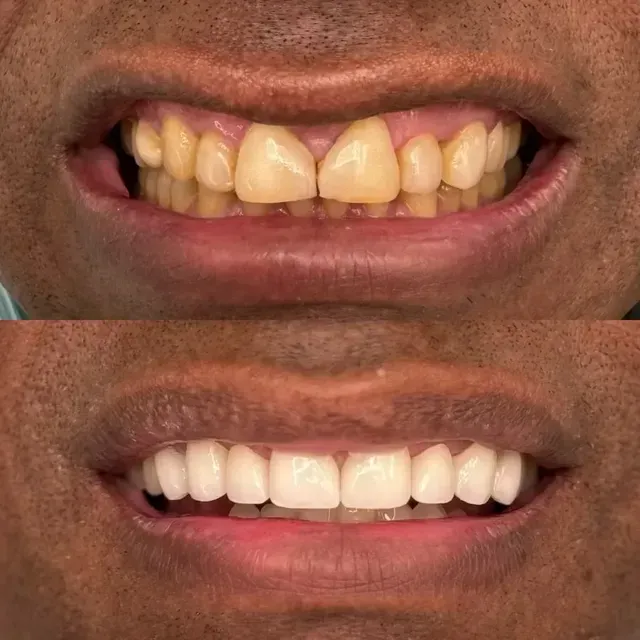
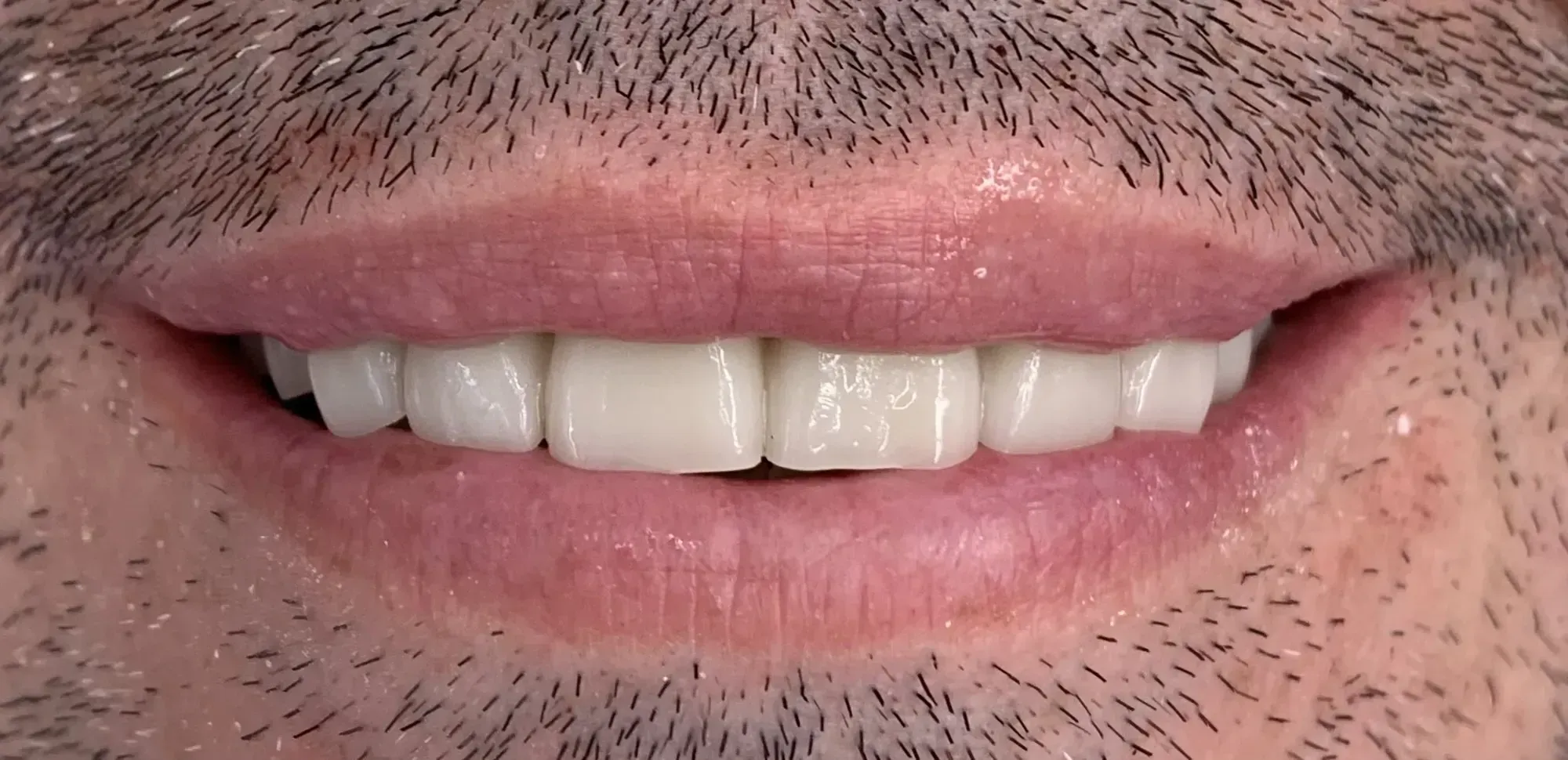
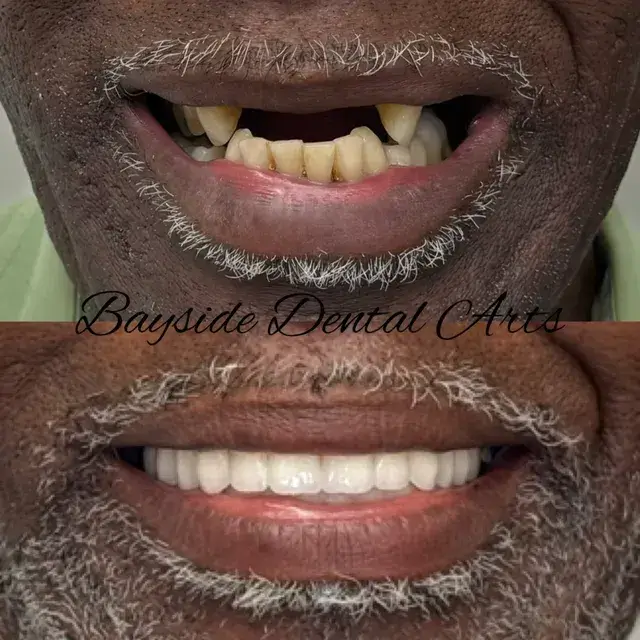
The final phase of treatment is a custom-designed porcelain crown. Dr. Andrey Ilyabayev uses color-matching technology so the new tooth blends with your natural dentition, focusing on the emergence profile so the tooth looks like it is growing naturally from the gums.
Single tooth implants have a strong long-term track record. A follow-up study cited by the American Dental Association tracked single tooth implants for 38 to 40 years and found the implants themselves had a 95.6 percent survival rate over that span (ADA News). Routine brushing, flossing, and regular checkups at Bayside Dental Arts are the main things that keep an implant performing well for decades.
Frequently Asked Questions
How Is a Single Tooth Implant Different from a Bridge?
A single tooth implant replaces the missing tooth root with a titanium post placed in the jawbone, so the teeth on either side of the gap never need to be reshaped or crowned. A traditional bridge relies on those neighboring teeth for support, which means healthy tooth structure has to be ground down to hold it in place.
Am I a Candidate for a Single Tooth Implant?
Most patients with healthy gums and enough jawbone to support an implant are candidates. If bone volume is too low, Dr. Ilyabayev may recommend a bone grafting procedure first, or a Subperiosteal implant that rests on or above the jawbone instead of inside it.
What Happens if I Wait to Replace a Missing Tooth?
The jawbone in that area gradually loses density without a tooth root to stimulate it, and nearby teeth can shift into the empty space over time. Replacing the tooth sooner generally means a more straightforward implant procedure with less need for bone grafting first.
How Long Do Single Tooth Implants Last?
Implants are designed to be a permanent solution. A long-term study cited by the American Dental Association followed single tooth implants for nearly 40 years and found a 95.6 percent survival rate for the implants themselves, with good oral hygiene being the biggest factor in long-term success.
How Long Does the Process Take?
After the implant is placed, it takes several months for osseointegration, the process where bone grows around the post, to complete before Dr. Ilyabayev fits your final crown.
Will the Crown Match My Other Teeth?
Yes. Dr. Ilyabayev uses color-matching technology and focuses on the emergence profile so the new crown blends with your natural teeth and looks like it is growing directly from the gums.
Does Insurance Cover a Single Tooth Implant?
Coverage varies by plan. Bayside Dental Arts works with PPO insurance and financing through CareCredit, Cherry, Alphaeon, and LendingClub, so you have choices whether or not your plan covers the full cost.
Ready to Talk About Your Missing Tooth?
Dr. Ilyabayev and the Bayside Dental Arts team will map out whether an Endosteal or Subperiosteal approach fits your anatomy, starting with a consultation.
Bayside Dental Arts
213-07 Northern Blvd
Bayside, NY 11361
| Monday | 9:00 AM to 5:00 PM |
| Tuesday | 9:00 AM to 5:00 PM |
| Wednesday | Closed |
| Thursday | 9:00 AM to 5:00 PM |
| Friday | 9:00 AM to 5:00 PM |
| Saturday | 9:00 AM to 5:00 PM |
| Sunday | 9:00 AM to 5:00 PM |