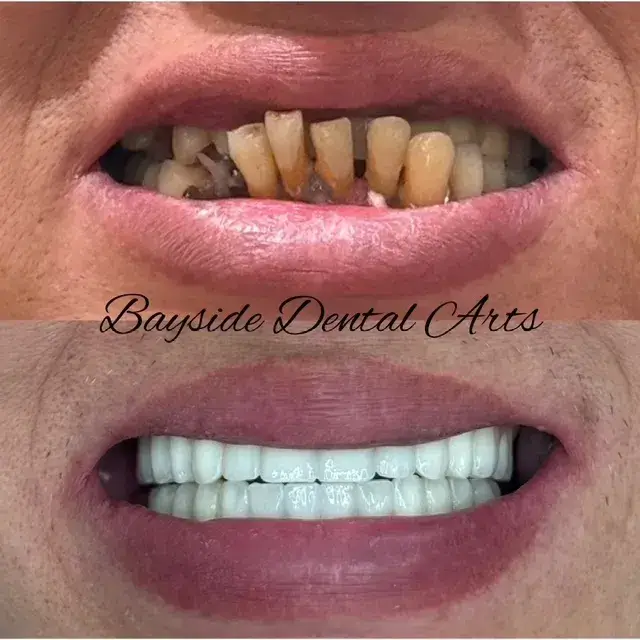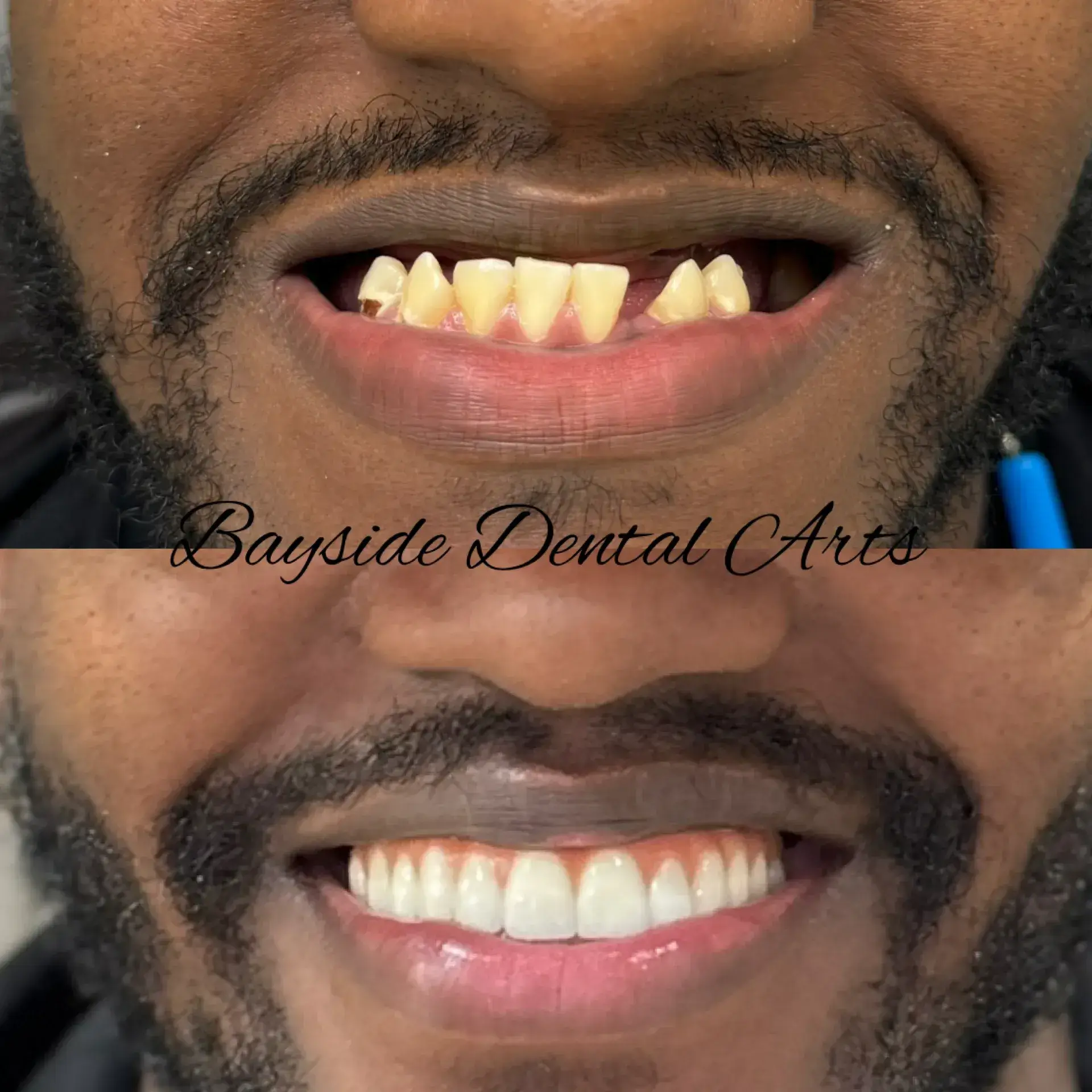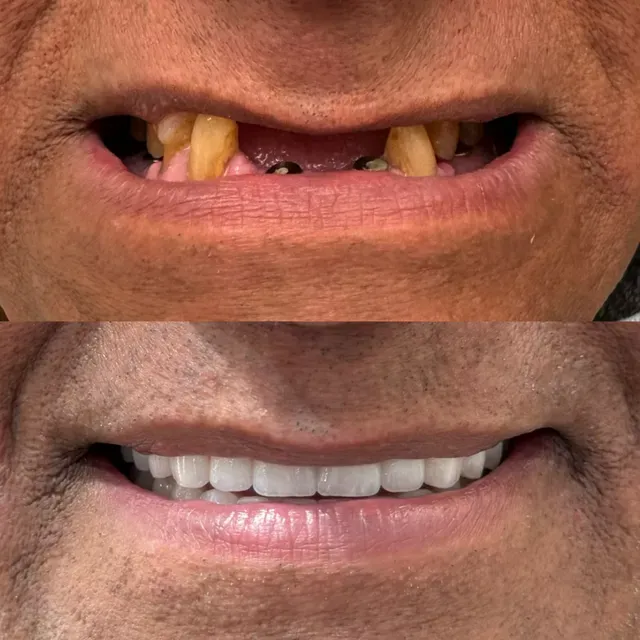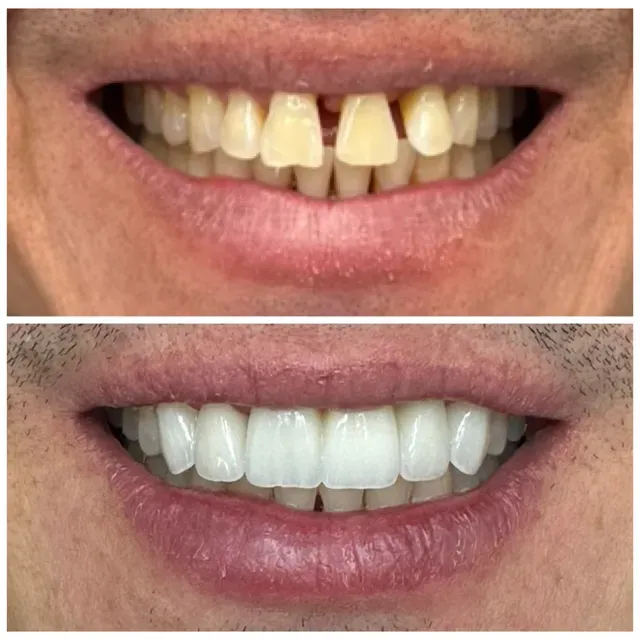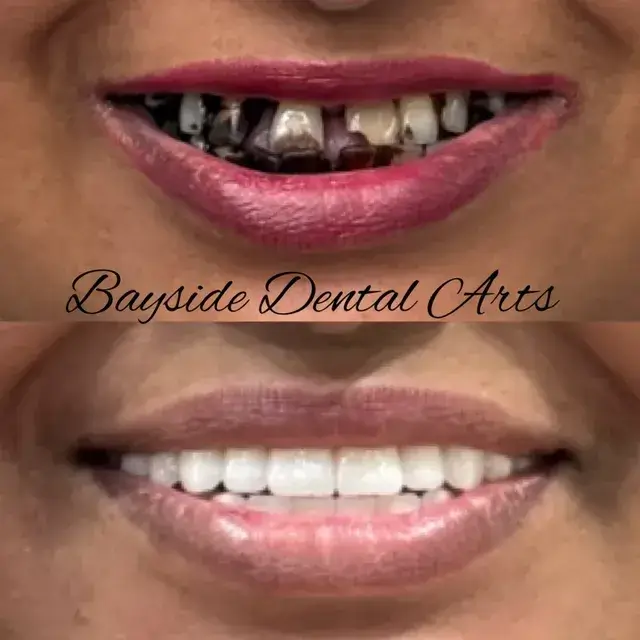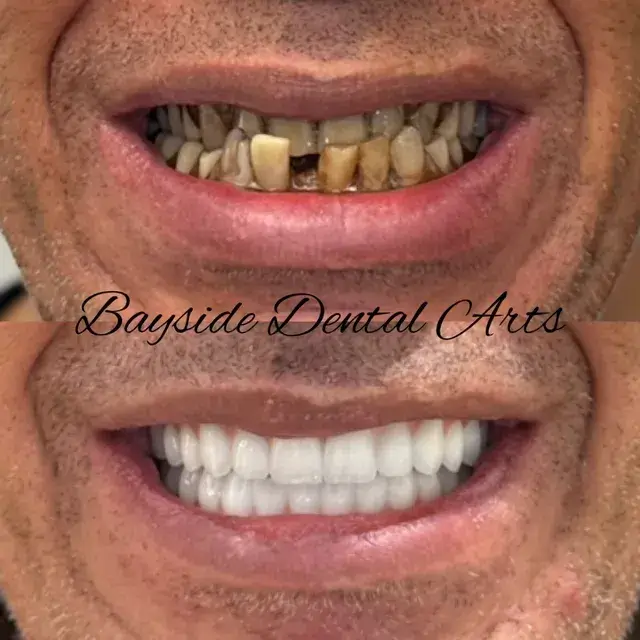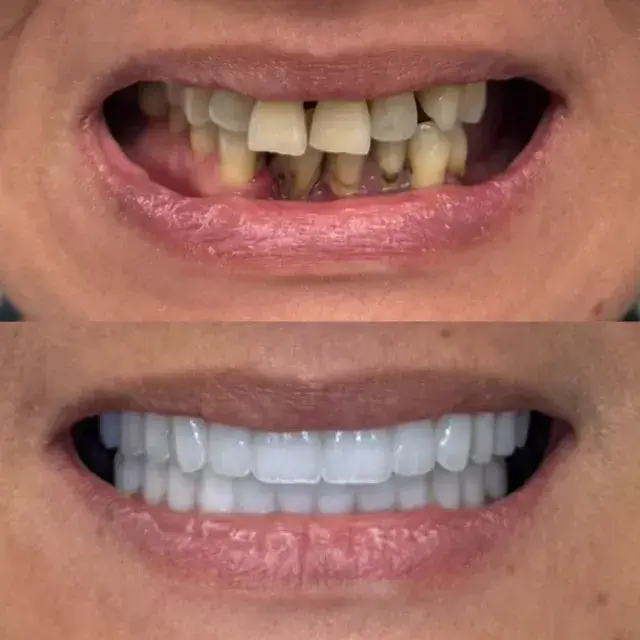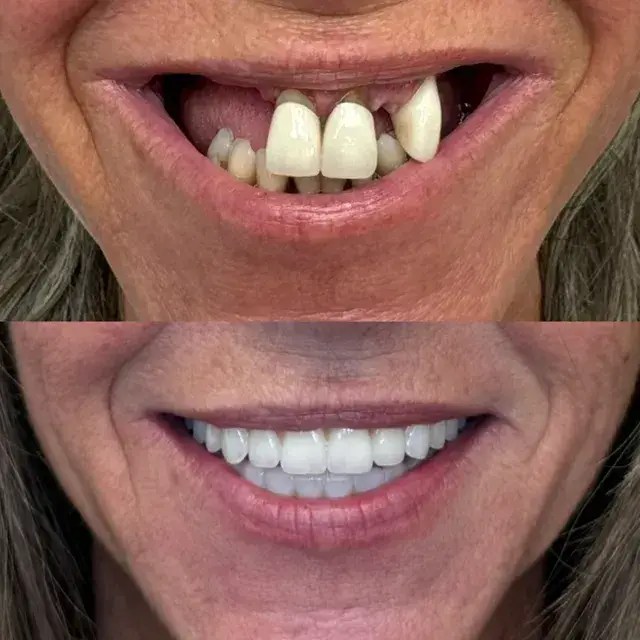
Gum Disease Care in Bayside, NY
Catch it early. Protect your smile. Gum disease often develops quietly, without pain, until it has already started to affect the bone that holds your teeth in place. Dr. Andrey Ilyabayev provides laser-assisted gum disease treatment for patients of all ages across Bayside, Queens, and the surrounding NY area.
- Office
- 213-07 Northern Blvd, Bayside, Queens
- Hours
- Open six days a week, including Saturday and Sunday. Closed Wednesdays.
- Treatment
- Scaling and root planing plus laser-assisted therapy
- Ages
- Patients of all ages
- Languages
- English, Spanish, and Russian
- Payment
- Free consultation. PPO insurance and financing through CareCredit, Cherry, Alphaeon, and LendingClub
Why Treating Gum Disease Matters
-
Stops bone loss
Active treatment halts the bacterial destruction of the bone supporting your teeth.
-
Saves your teeth
Gum disease is a leading cause of tooth loss in adults. Prompt treatment keeps your natural teeth in place.
-
Protects your overall health
Gum disease shares inflammatory pathways with conditions like heart disease and diabetes.
Gingivitis vs. Periodontitis
Gum disease develops in stages, and catching it early makes a real difference in how it is treated.
Gingivitis
Red, swollen, or bleeding gums caused by plaque buildup along the gumline. At this stage, the damage is fully reversible with professional treatment and better home care.
Periodontitis
Untreated gingivitis can progress below the gumline, damaging the bone and tissue that support your teeth. This stage requires active treatment to stop further loss.
Notice bleeding or swelling? Call (718) 684-9465
Signs of Gum Disease
Gum disease is often painless in its early stages, which is why regular exams matter as much as noticing symptoms yourself.
- Bleeding when you brush
- Red or swollen gums
- Persistent bad breath
- Receding gumline
- Loose teeth
Preventing Gum Disease at Home
Daily habits do most of the work between your visits to Bayside Dental Arts. Brushing twice a day with a soft-bristled brush, flossing once daily to remove plaque between teeth, and avoiding tobacco all meaningfully reduce your risk. Routine cleanings remove the hardened tartar that a toothbrush cannot, which is why keeping up with regular visits matters even if your gums feel fine.
Who Is at Higher Risk
Gum disease is far more common than most people realize. The National Institute of Dental and Craniofacial Research estimates that about 42 percent of adults 30 and older have some form of periodontitis, with prevalence rising with age. A few factors raise your individual risk beyond plaque buildup alone.
- Smoking or tobacco use. One of the strongest risk factors for gum disease
- Diabetes. Makes infections, including gum disease, harder for the body to fight
- Genetics. Some people are simply more susceptible despite good hygiene
- Hormonal changes. Pregnancy, puberty, and menopause can all increase gum sensitivity
- Certain medications. Some can reduce saliva flow or affect gum tissue
How We Treat Gum Disease
-
Step 1
Gum Evaluation
Dr. Ilyabayev measures gum pocket depth around each tooth to identify the stage and extent of the disease.
-
Step 2
Scaling and Root Planing
A deep cleaning removes plaque and tartar from below the gumline and smooths root surfaces so bacteria have less to reattach to.
-
Step 3
Laser-Assisted Therapy
Laser treatment targets infected tissue and bacteria in deeper pockets with precision, often with less discomfort than traditional methods.
-
Step 4
Ongoing Maintenance
A customized cleaning schedule helps keep the infection from returning once it is under control.
For more advanced cases
If pocket depth or bone loss is significant enough to need surgical treatment, Dr. Ilyabayev refers patients to a periodontal specialist. That care can include procedures like osseous surgery, which reshapes damaged bone so pockets are shallower and easier to keep clean, or a gingivectomy, which removes diseased gum tissue to eliminate pocketing. Most gum disease caught at the gingivitis or early periodontitis stage responds well to the nonsurgical treatment Dr. Ilyabayev provides in-house.
Why Gum Health Matters Beyond Your Mouth
Gum disease is not just a concern for your teeth. According to the National Institute of Dental and Craniofacial Research, periodontal disease shares inflammatory pathways with chronic conditions like heart disease, stroke, and diabetes, and treating one can influence outcomes for the other (NIDCR). Treating gum disease early is an investment in your overall health, not just your smile.
Frequently Asked Questions
Is Gingivitis Reversible?
Yes. With professional cleaning and improved home care, gingivitis can be fully reversed before it progresses to more serious periodontitis.
Does Gum Disease Treatment Hurt?
Scaling and root planing is performed under local anesthesia when needed, and laser-assisted therapy is generally more comfortable than traditional surgical approaches for many patients.
What Happens if My Gum Disease Is More Advanced?
If pocket depth or bone loss is significant, Dr. Ilyabayev will refer you to a periodontal specialist for procedures like osseous surgery or a gingivectomy, which are better suited to more severe cases than nonsurgical treatment alone.
How Often Should I Get a Gum Evaluation?
Most patients benefit from a gum health check at every routine cleaning. If you are being actively treated for gum disease, Dr. Ilyabayev may recommend more frequent visits.
Can Gum Disease Come Back After Treatment?
Yes, which is why consistent home care and a customized maintenance schedule are part of every treatment plan, not just the initial cleaning.
Does Insurance Cover Gum Disease Treatment?
Most PPO dental plans cover at least part of periodontal treatment. Bayside Dental Arts accepts PPO insurance and can help verify your benefits beforehand.
Notice Signs of Gum Disease?
The earlier gum disease is treated, the easier it is to reverse. Schedule a gum evaluation with Dr. Ilyabayev today.
Bayside Dental Arts
213-07 Northern Blvd
Bayside, NY 11361
| Monday | 9:00 AM to 5:00 PM |
| Tuesday | 9:00 AM to 5:00 PM |
| Wednesday | Closed |
| Thursday | 9:00 AM to 5:00 PM |
| Friday | 9:00 AM to 5:00 PM |
| Saturday | 9:00 AM to 5:00 PM |
| Sunday | 9:00 AM to 5:00 PM |