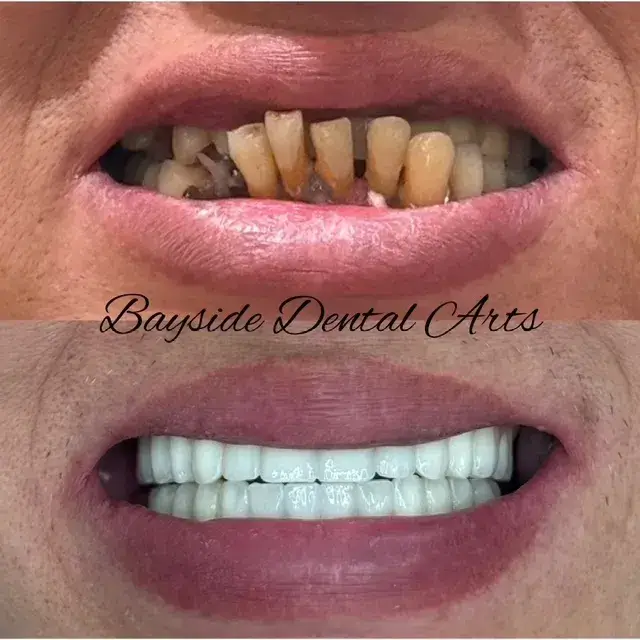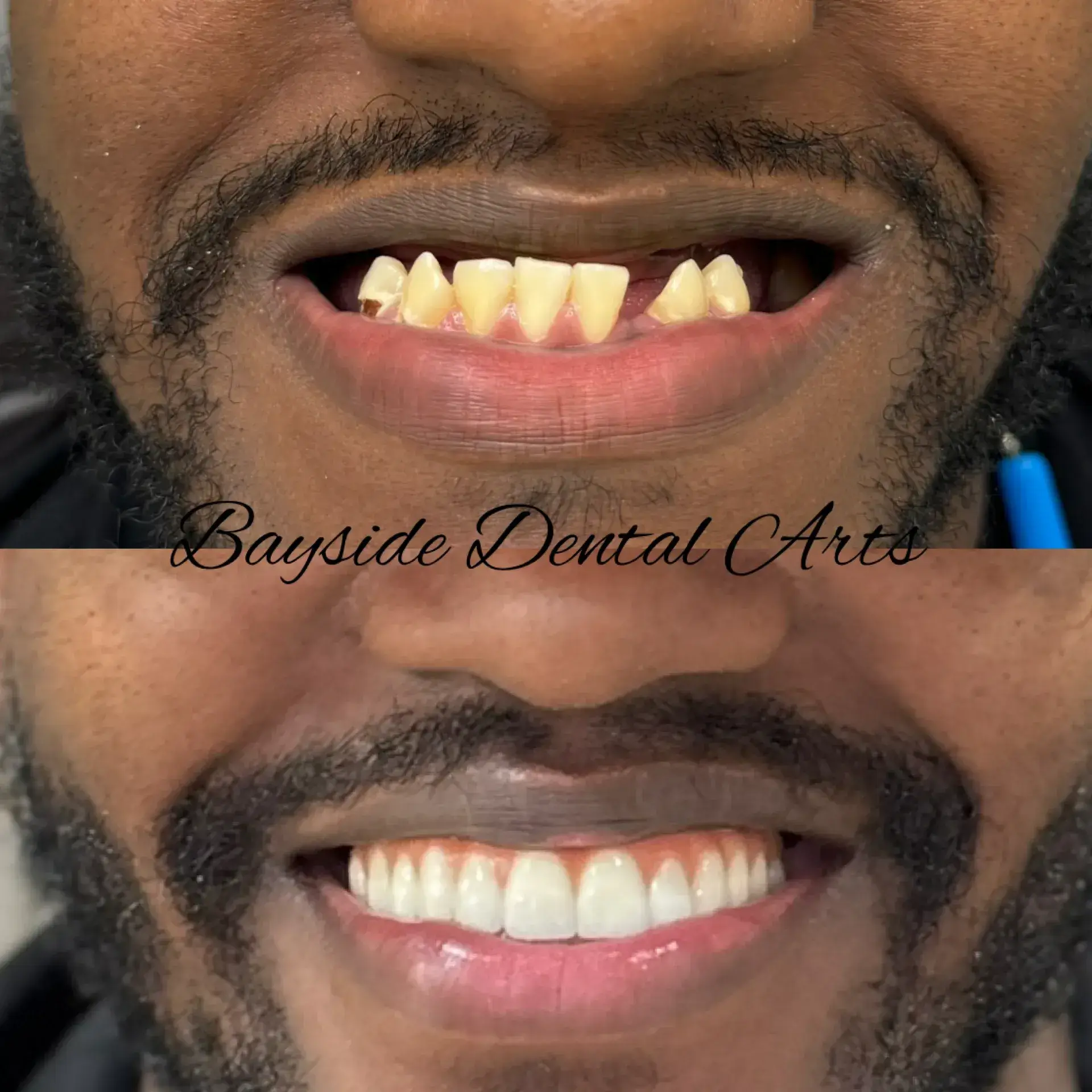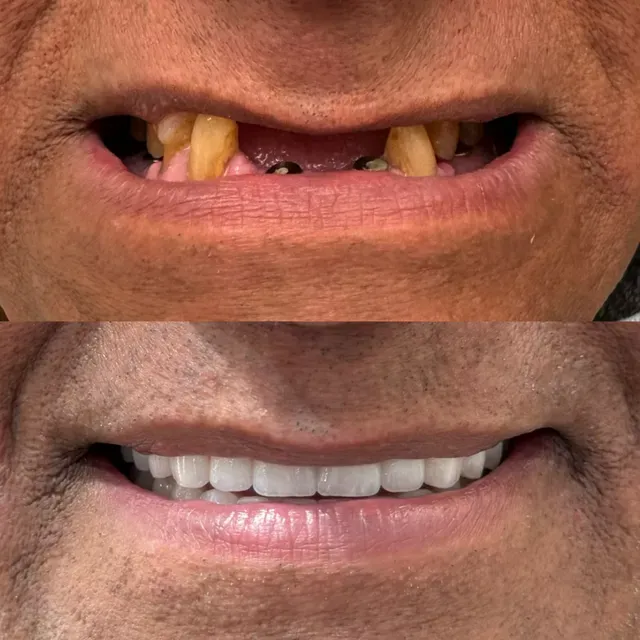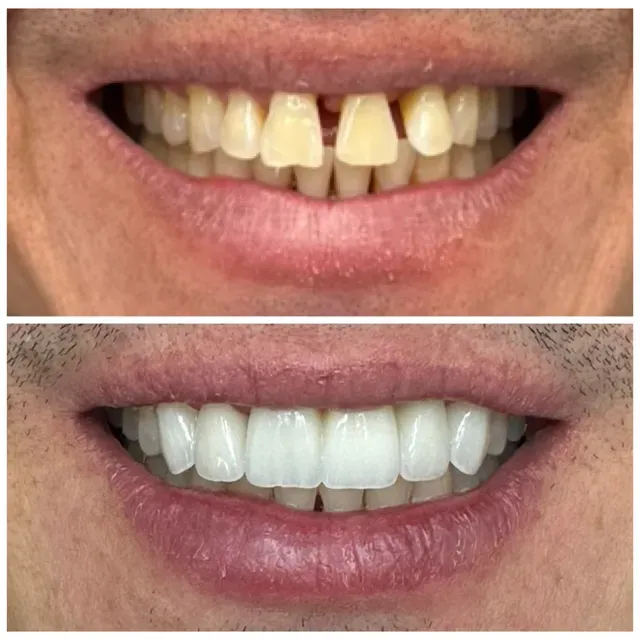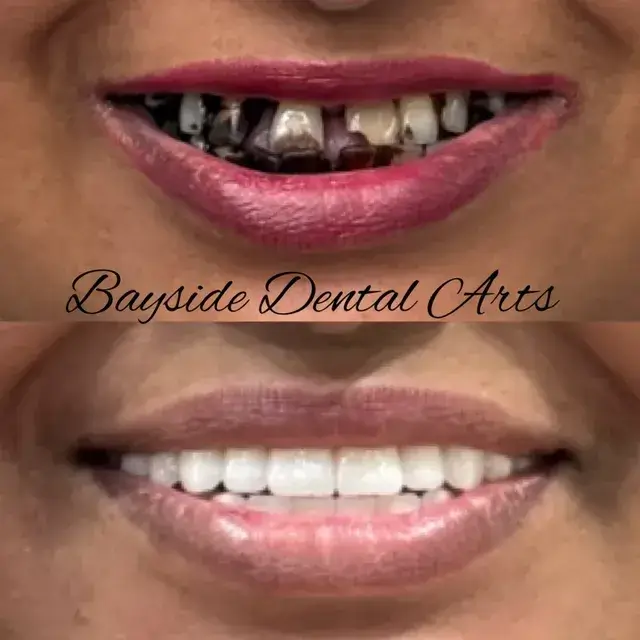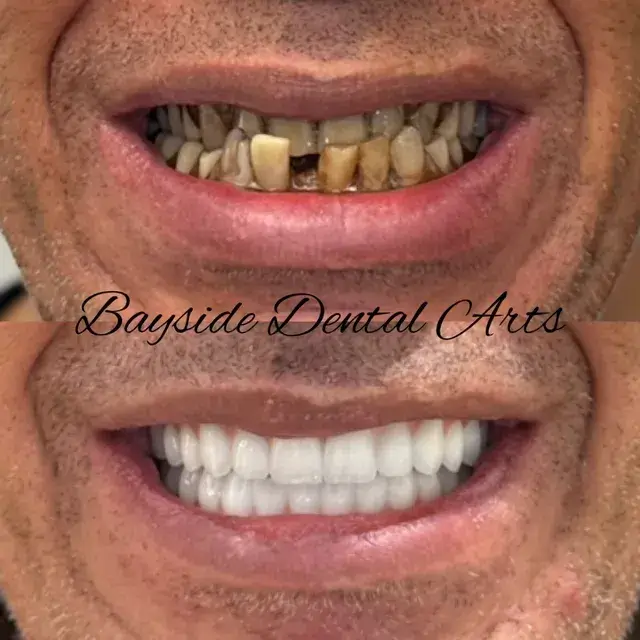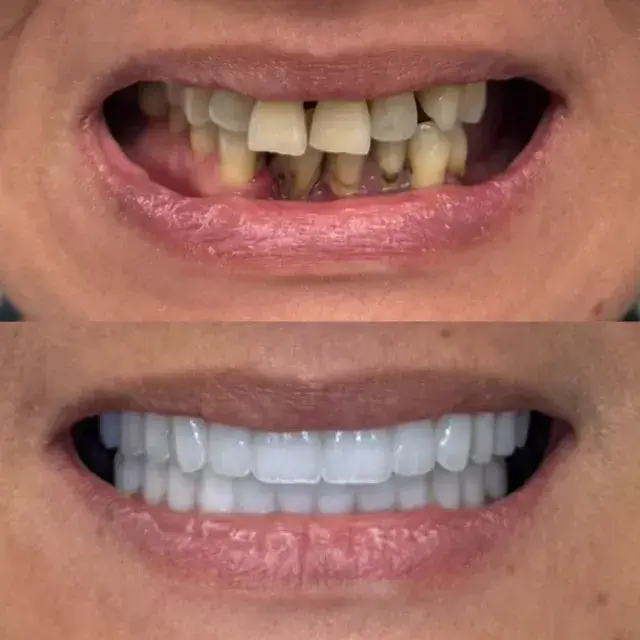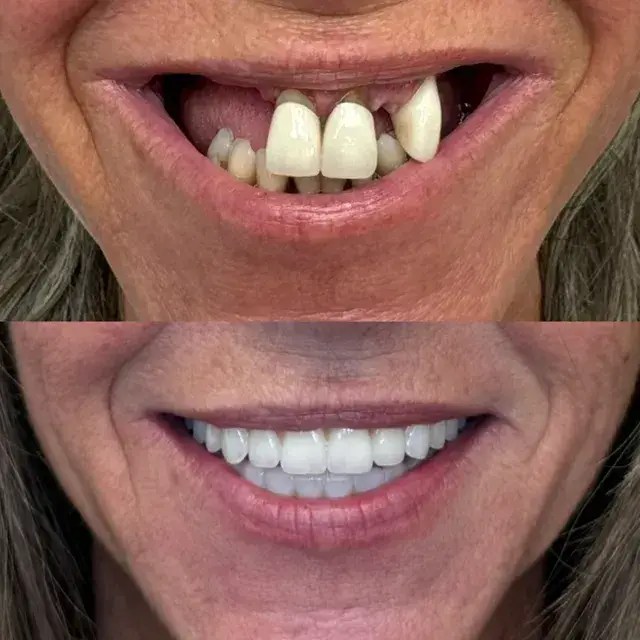
When a tooth can’t be saved, we make removal simple.
Sometimes a tooth is damaged or infected beyond what a filling or root canal can fix. At Bayside Dental Arts, Dr. Andrey Ilyabayev only recommends removing a tooth after other options have been ruled out, since keeping your natural tooth is almost always better for your long-term oral health. Once an extraction is truly needed, putting it off rarely helps, since an infected tooth can let bacteria spread further and a fractured one grows more prone to painful complications the longer it stays in place.
When a Tooth Needs to Come Out
A few situations commonly lead to extraction:
If you are in sudden, severe pain from a badly infected or broken tooth, same-day evaluation through our emergency dentist service can determine quickly whether the tooth can be saved or needs to come out.
Simple vs. Surgical Extractions
Not every extraction is the same. Which approach fits your case depends on how the tooth is positioned and how much of it is visible above the gumline.
Wisdom Teeth
Wisdom teeth, the last set of molars to come in, are removed more often than any other tooth. Many mouths do not have enough room for them, which can leave them impacted, growing in at an angle, or pushing against the teeth next to them. Because they are often below the gumline or angled, wisdom tooth removal is frequently a surgical extraction rather than a simple one. Dr. Ilyabayev evaluates wisdom teeth with an X-ray well before they cause pain.
The Extraction Process
Replacing the Tooth Afterward
An empty space left by an extracted tooth can let the teeth around it shift over time, which can affect your bite.
If you might want an implant down the road, mention it before your extraction. Placing a small amount of bone graft material into the socket at the time of extraction, called socket preservation, helps maintain the width and height of the jawbone, which can make a future implant more straightforward.
Recovery and Aftercare
Most patients feel back to normal within a few days. Biting on gauze for the first hour, resting for the rest of the day, and sticking to soft foods help the extraction site heal properly. Surgical extractions, including most wisdom teeth, may involve a slightly longer recovery than a simple extraction. Call our office if you develop a fever, heavy bleeding that does not slow down, or pain that gets worse instead of better after the first day or two.
Frequently Asked Questions
Does Getting a Tooth Pulled Hurt
The area is fully numbed before Dr. Ilyabayev begins, so you should feel pressure rather than pain during the procedure. Most soreness afterward is mild and responds well to over-the-counter pain relievers.
What Is the Difference Between a Simple and Surgical Extraction
A simple extraction removes a tooth that is fully visible above the gumline without cutting into tissue. A surgical extraction is needed for teeth that are impacted, broken below the gumline, or have complex roots, and involves a small incision to access the tooth safely.
How Common Is Dry Socket
A 2024 study of more than 1,300 patients found dry socket developed in about 1 percent of routine extractions, with the risk rising in cases involving smoking, longer procedures, or impacted wisdom teeth (PMC).
How Long Does Recovery Take
Soft tissue typically heals within one to two weeks, though the bone underneath continues to fill in for a few months. Most patients return to normal eating and activity well before that.
What Should I Eat After an Extraction
Stick to soft foods like yogurt, mashed potatoes, and soup for the first day or two, and avoid hot liquids, alcohol, and drinking through a straw, since suction can dislodge the healing blood clot.
Does Insurance Cover Tooth Extractions
Most PPO dental plans cover at least part of an extraction, especially when it is medically necessary. Bayside Dental Arts accepts PPO insurance and can help verify your benefits beforehand.
Do Not Wait on a Damaged Tooth
Dr. Andrey Ilyabayev and our dental team have helped patients throughout Bayside, Queens, Brooklyn, and Long Island avoid unnecessary tooth loss for years.