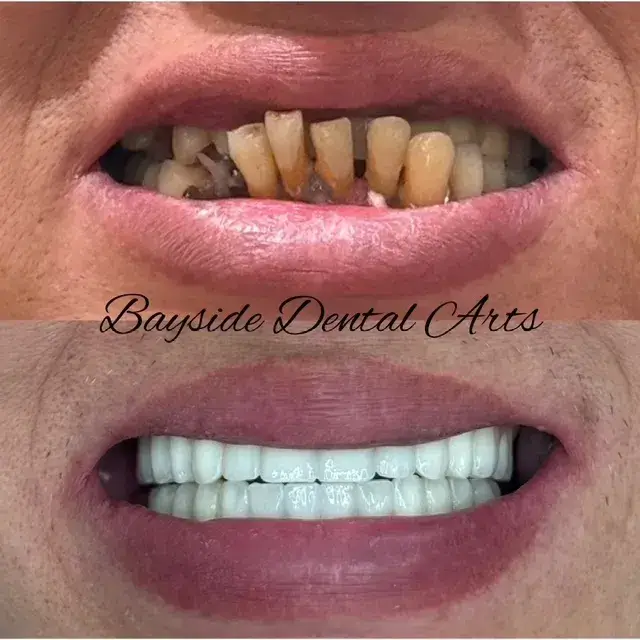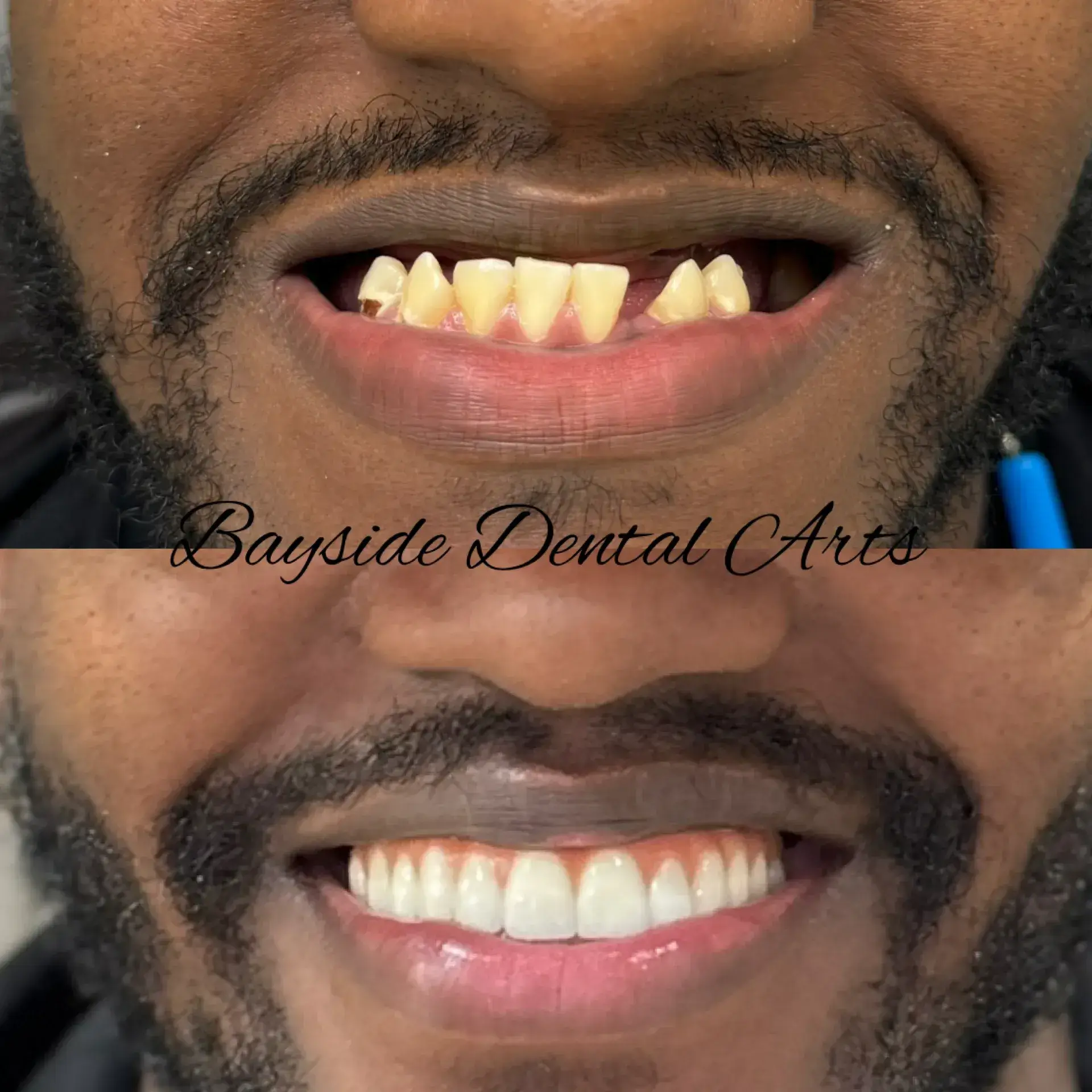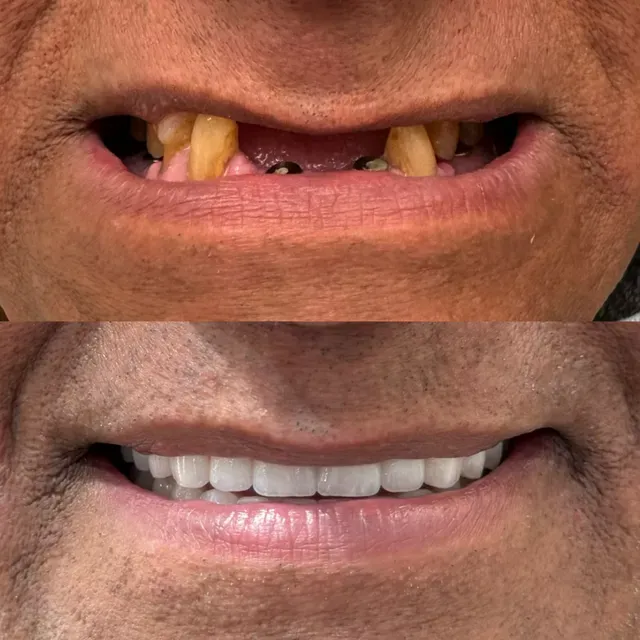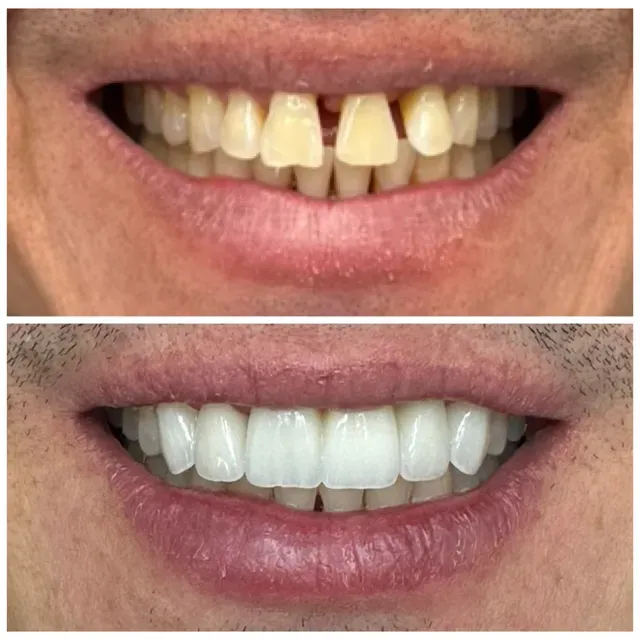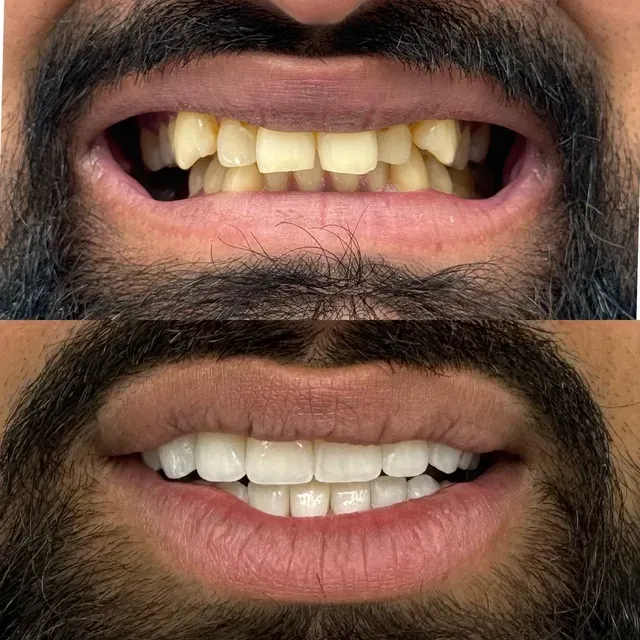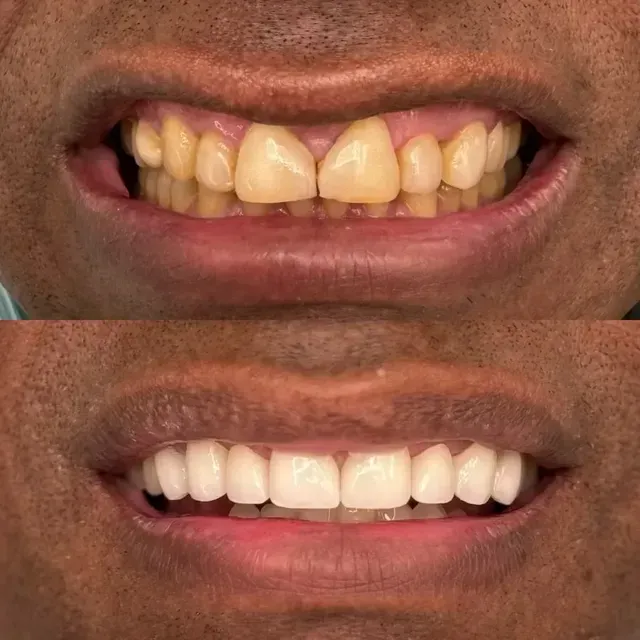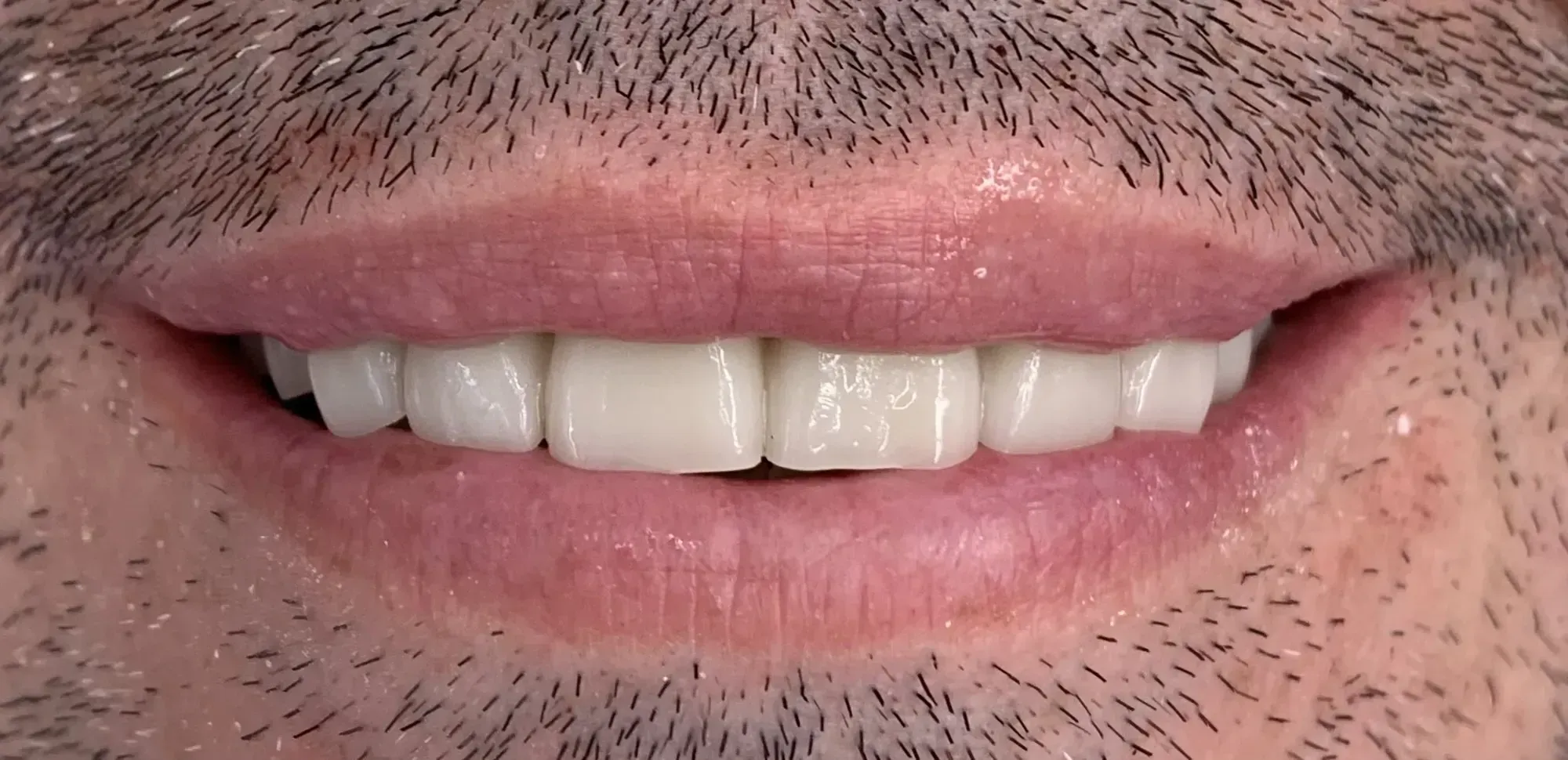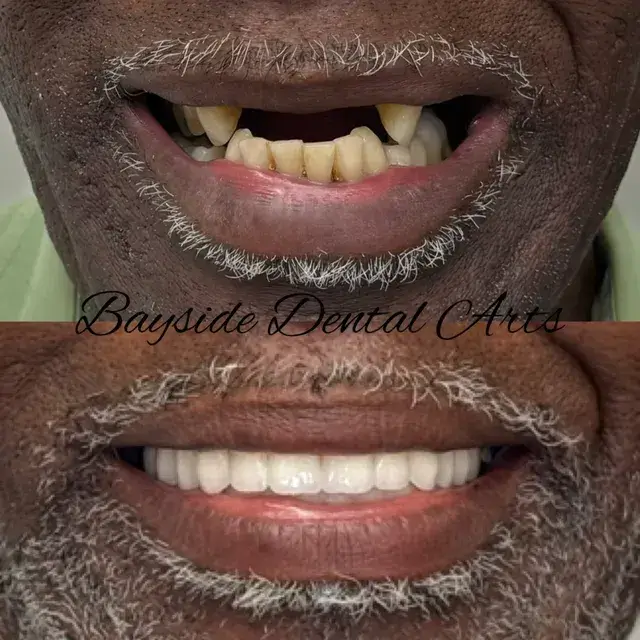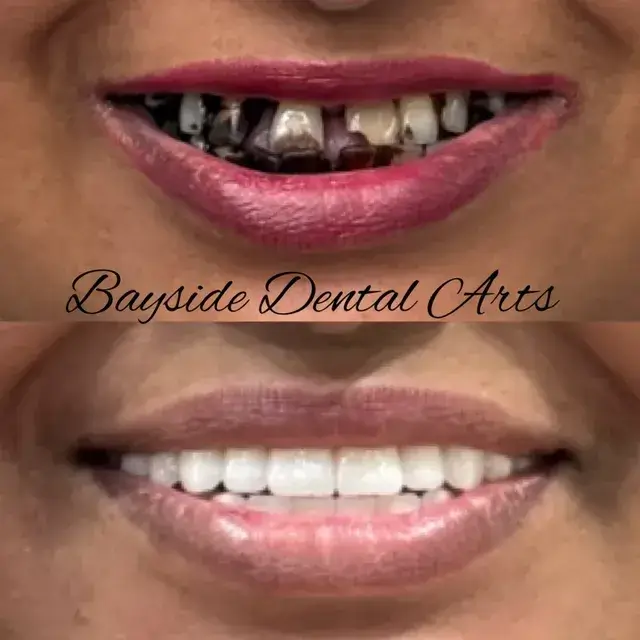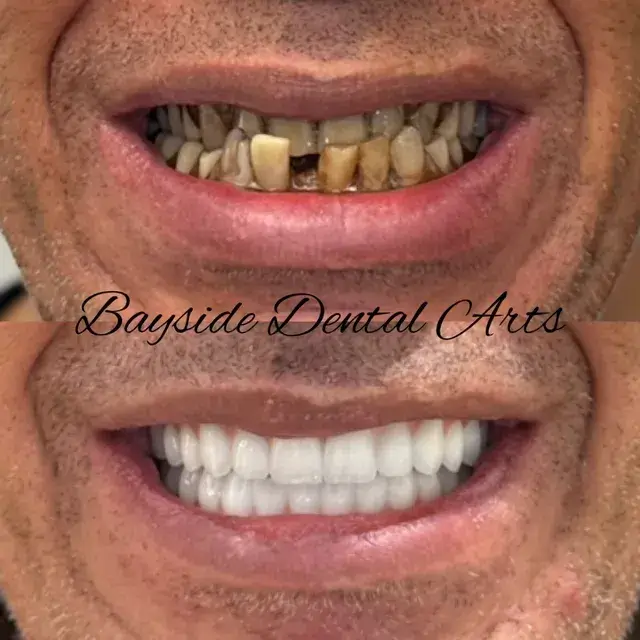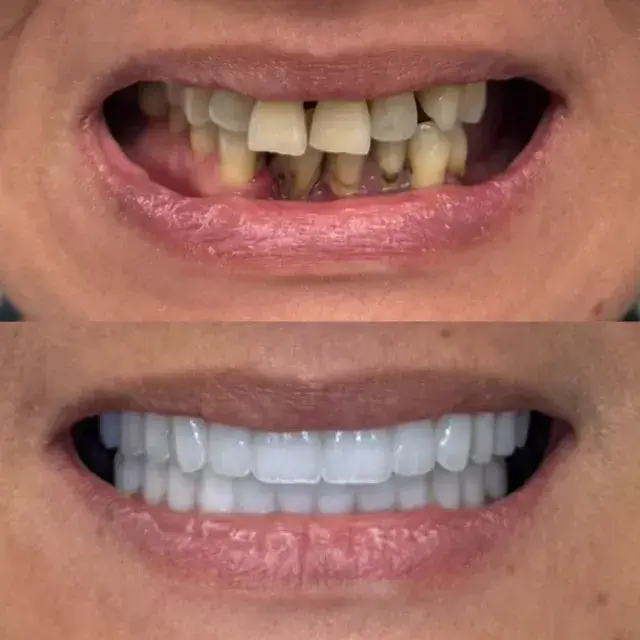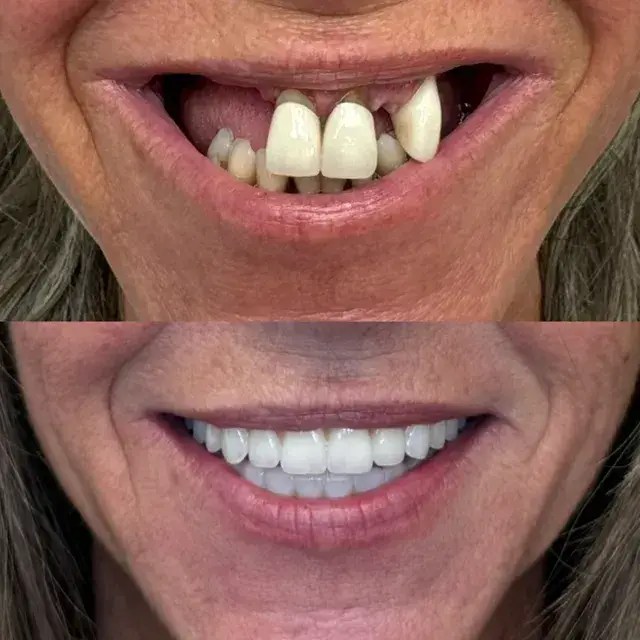
One damaged tooth. One custom cap.
A dental crown covers a damaged or weakened tooth completely, restoring its strength, shape, and appearance. Dr. Andrey Ilyabayev designs and places custom crowns for patients across Bayside, Queens, and the surrounding NY area.
Why You Might Need a Crown
A crown is a tooth-shaped cap that fits completely over an existing tooth or an implant. Dr. Ilyabayev uses crowns to protect weak or fractured teeth, restore a tooth after a root canal, cap a dental implant, anchor a bridge, or make cosmetic changes to a tooth’s shape or color.
What Makes a Crown Worth It
Choosing the Right Crown Material
The best material depends on which tooth is being restored, how much bite force it takes, and your cosmetic goals. Dr. Ilyabayev will walk through the tradeoffs during your consultation.
Grinding or clenching your teeth, biting down on very hard foods, and letting plaque build up at the edge where the crown meets your natural tooth are the most common reasons a crown fails earlier than expected, regardless of material.
The Crown Process
Getting Your Crown, Faster
Traditional crowns typically require two visits: one to prepare the tooth and take an impression, and a second one to two weeks later to place the finished crown, with a temporary in between. Because Bayside Dental Arts maintains an in-house dental lab with 3D printing and milling equipment, Dr. Ilyabayev can often design and fabricate many crowns without sending your case out and waiting on a return shipment.
Caring for Your Crown
A crown protects the tooth underneath, but it isn’t indestructible. Brush and floss around it just like your natural teeth, paying extra attention to the margin where the crown meets your gumline, since plaque buildup there is one of the most common reasons a crown eventually fails. If you grind or clench your teeth, especially at night, ask Dr. Ilyabayev about a custom nightguard to protect both the crown and the tooth beneath it from excess pressure.
Signs Your Crown May Need Attention
Even a well-placed crown can develop problems over time. Reach out if you notice any of the following:
Catching these issues early is usually a simple fix. Waiting can let the underlying tooth become compromised, which turns a quick adjustment into a bigger procedure.
Frequently Asked Questions
What Are Crowns Made Of?
Crowns can be made from ceramic, porcelain, porcelain fused to metal, or metal alloys. Dr. Ilyabayev will recommend a material based on which tooth is being restored and your cosmetic goals.
Does Getting a Crown Hurt?
The tooth is numbed with local anesthetic before any preparation begins, so the procedure itself is not painful. Some sensitivity in the days after is normal and typically resolves quickly.
How Long Do Crowns Last?
With good oral hygiene and regular checkups, crowns often last a decade or longer. Avoiding hard foods like ice and hard candy helps protect them from chips and cracks.
Which Crown Material Is Right for Me?
It depends on the tooth’s location and function. Front teeth often use ceramic or porcelain for the most natural appearance, while back teeth that handle heavier chewing forces may benefit from the added strength of porcelain fused to metal or a metal alloy.
Does Insurance Cover Crowns?
Coverage varies by plan and by why the crown is needed. Bayside Dental Arts works with PPO insurance and financing through CareCredit, Cherry, Alphaeon, and LendingClub.
Ready to Talk About a Crown?
Dr. Ilyabayev will examine the tooth and recommend the right material and approach for your situation.