Implant-supported dentures make it easy to replace a complete arch of missing teeth. But should you choose All-on-4 or All-on-6 implants for your full-arch needs?
Dental implants can replace a single tooth, multiple teeth, or even an entire arch by using four to six implants to support a complete arch of dentures. Whether to opt for All-on-4 or All-on-6 depends on several key factors specific to your bone structure and goals.
At Bayside Dental Arts in Queens, New York, Dr. Andrey Ilyabayev and our team offer both All-on-4 and All-on-6 implant-supported dentures for our patients. Here is how to think about which one fits you.
What Happens When You Lose a Tooth
When you lose a tooth, the root that extends into the jawbone is no longer there to stimulate the bone. Your body slowly starts to absorb that bone. This bone resorption weakens the area around the roots of adjacent teeth, which can then become loose and fall out themselves.
The cascade of tooth loss can continue until you are entirely edentulous, meaning toothless, in the full arch of your upper or lower jaw. Dentures are the standard treatment for edentulousness, but as bone continues to reabsorb, traditional dentures fit badly, slip and slide, rub sore spots inside your mouth, and need continual adjustment. Implant-supported dentures address these issues directly.
The Impact of Losing All Your Teeth
Edentulism, meaning having no natural teeth left in an arch, affects more than your bite. Many people who lose all their teeth in an arch find themselves avoiding smiling or laughing, having trouble speaking clearly, and struggling to eat many foods even with traditional dentures. Over time, this can lead to avoiding social situations, reduced nutrition, and real emotional strain. Full-arch implants address the functional side of this directly, restoring the ability to eat, speak, and smile with confidence.
How Dental Implants Work
Dental implants start with a titanium threaded post, similar to a small screw, placed in your jawbone at the site of a missing tooth. The bone osseointegrates with the post, filling the threads and becoming as stable as a natural tooth root, which stimulates the bone and keeps it healthy.
A collar goes on top of the post, capped with a tooth restoration. For implant-supported dentures, we design a complete arch of teeth in a single restoration, then anchor it to four or six implants placed in your jawbone. This removes the need for one implant per missing tooth and makes restoring a full arch faster.
How All-on-4 and All-on-6 Are Positioned Differently
All-on-4 places two implants toward the front of the jaw and two angled toward the back, taking advantage of the denser bone typically found at the front. All-on-6 adds two more implants in the middle of the arch, spreading support across six points instead of four. A full arch restored either way commonly replaces 12 to 14 teeth.
Comparing All-on-4 and All-on-6
| Feature | All-on-4 | All-on-6 |
|---|---|---|
| Implants per arch | 4 | 6 |
| Bone density needed | Works well with typical bone density | Better suited when bone density is lower |
| Bite force support | Efficient, standard support | Distributes force more evenly, added stability |
| Best for | Recent tooth loss with strong remaining bone | Longer-term tooth loss with more bone resorption, or a stronger bite |
When to Choose All-on-4 vs. All-on-6
For people who have only recently lost their teeth, for example from trauma, and who have solid bone across the arch, All-on-4 is often an efficient, effective choice. For patients who have been toothless longer and have experienced more bone resorption, or who simply want the added stability of more implants, All-on-6 can provide a stronger foundation. Dr. Ilyabayev can position implants in the areas of your jaw with the strongest remaining bone, and may recommend a bone graft beforehand to strengthen the anchoring process if needed. If you have periodontal disease, we treat that first as well, since untreated gum disease raises the risk of implant failure. If you still have a few failing teeth but have not yet lost them all, it is often better to address this before your remaining bone deteriorates further, rather than waiting until you have no other option.
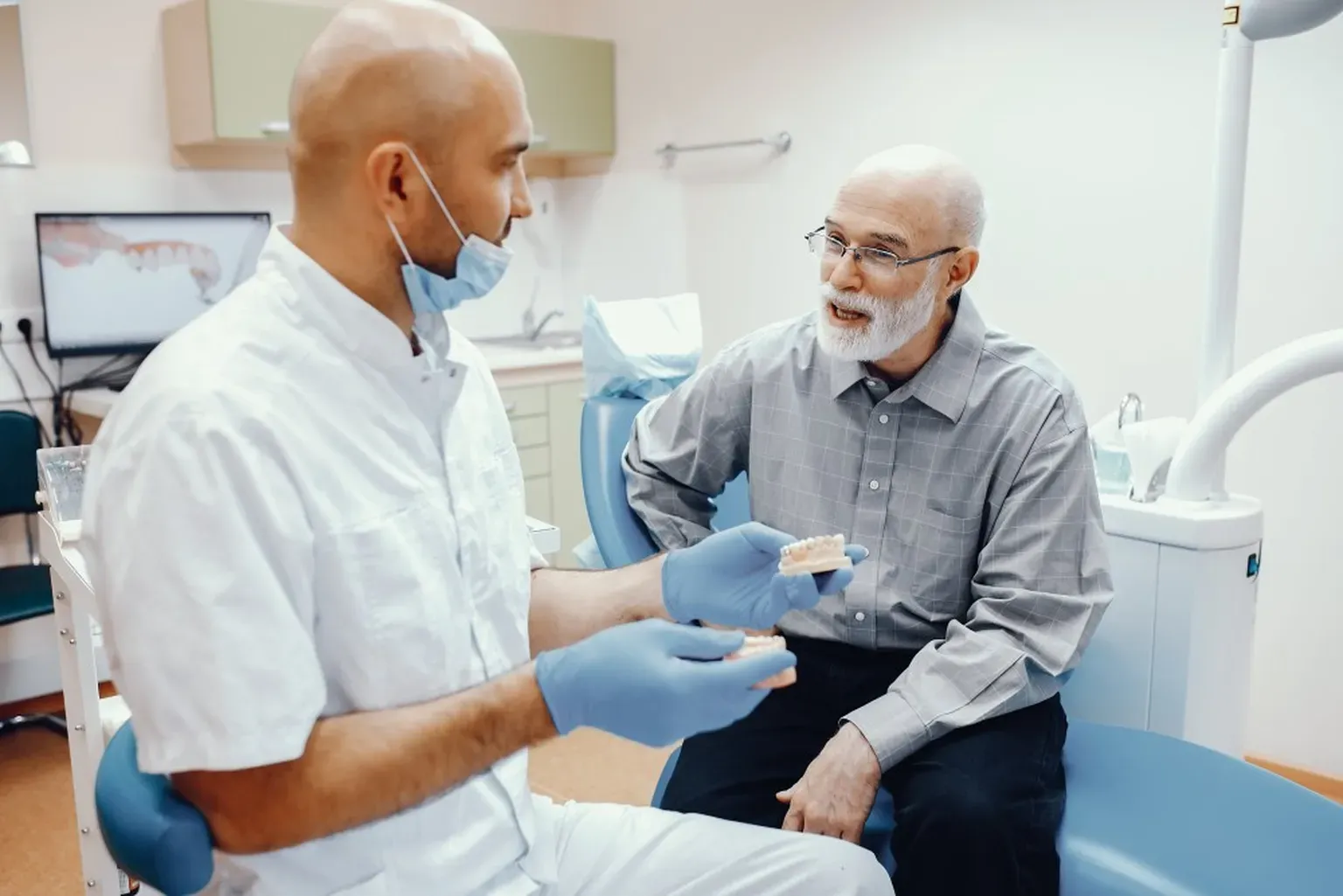
Dr. Ilyabayev will complete a consultation before your implant surgery, using imaging of your jawbone to determine which option, All-on-4 or All-on-6, fits your anatomy. Once finished, your smile looks natural and functions normally for chewing, smiling, and talking, without denture adhesives.
For more information about implant-supported dentures, contact our office or book an appointment online. We are located in the Bayside neighborhood of Queens, New York.
Frequently Asked Questions About All-on-4 and All-on-6
Is All-on-6 Always Better Than All-on-4?
Not necessarily. All-on-4 is a highly effective, efficient option when bone density is good. All-on-6 tends to make more sense when bone density is lower or when someone wants the added stability of two extra implants.
Will I Need a Bone Graft Before Getting Implants?
It depends on how much bone has been lost. Dr. Ilyabayev evaluates your jawbone with imaging and may recommend a bone graft first if additional support is needed before implant placement.
How Many Teeth Can One Arch of Implants Replace?
A full arch restored with either All-on-4 or All-on-6 commonly replaces 12 to 14 teeth using just four or six implants.
How Long Do Full-Arch Implants Last?
A 2026 systematic review and meta-analysis of long-term studies found a 20-year implant survival rate of about 93 percent, with good oral hygiene and regular checkups being key factors in long-term success.
Will My New Teeth Feel and Function Like Natural Teeth?
Yes. Once your final restoration is placed, it is designed to look natural and function normally for chewing, smiling, and talking, without denture adhesives.
Does Insurance Cover Implant-Supported Dentures?
Coverage varies by plan. Bayside Dental Arts accepts PPO insurance and offers financing through CareCredit, Cherry, Alphaeon, and LendingClub.
About the Author
Dr. Ilyabayev provides general, cosmetic, and implant dentistry at Bayside Dental Arts in Bayside, Queens, including both All-on-4 and All-on-6 full-arch implant restorations.