
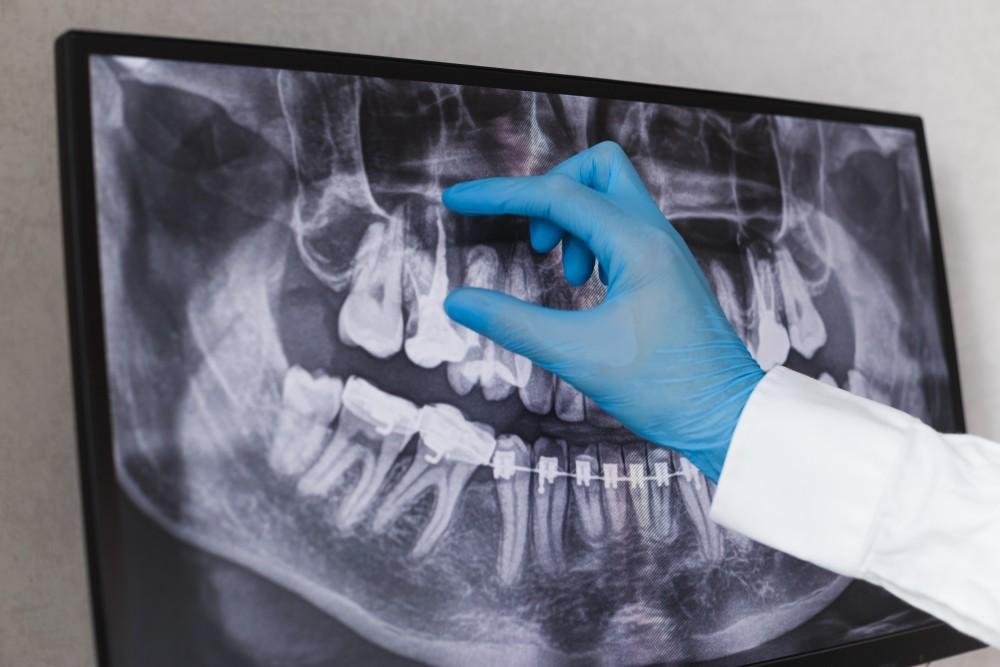
If you just had a root canal, your temporary crown is doing an important job: protecting a tooth that is more fragile than it looks. Being careful with it for the next couple of weeks makes a real difference in how smoothly your treatment finishes.
A root canal can save an infected tooth, but the procedure considerably weakens it and leaves it vulnerable to future cracks and fractures. At Bayside Dental Arts, Andrey Ilyabayev, DDS, and our team provide root canal therapy along with clear aftercare guidance, so you know exactly what to expect while you wait for your permanent restoration. Here is what you should know about caring for your temporary crown after a root canal.
Why a Temporary Crown Is Necessary
If you have recently undergone a root canal, you are likely aware of how fragile your tooth actually is right now. Enamel is the hardest substance in the human body, but it is far from indestructible. When bacteria sits on a tooth’s surface, it forms plaque and tartar that slowly eat away at the enamel. Once that layer is breached, bacteria can reach the tooth’s inner tissue, including the root pulp.
Once the pulp becomes infected, pressure builds inside the tooth until the pain sends most patients to a dentist, who will likely recommend a root canal procedure. This involves opening the tooth, clearing out the infected tissue, and scraping the canal clean, then filling it with a sterile substance that hardens in place. The final step is restoration. Temporary crowns are also commonly used in other situations, including over a dental implant while it fuses with your jawbone, or over a tooth repaired after a break or chip that dental bonding alone cannot fully restore.
We take impressions of your teeth and send them to the lab for fabrication, which typically takes about two to three weeks. In the meantime, we place a temporary crown sized as closely as possible to your tooth. Dental crowns reinforce and protect the tooth after a root canal, and a permanent one is custom fitted to your bite.
Right After Your Procedure
The area around your temporary crown will likely still be numb from local anesthetic for a few hours after your appointment. Wait until feeling fully returns before eating anything, since it is easy to accidentally bite your cheek, tongue, or lip without realizing it while numb. Some tenderness in the gums around the crown is normal in the first day or two.
Foods to Avoid With a Temporary Crown
Temporary crowns look and function similarly to a permanent one, but they are not sized exactly to your tooth and are made from a less durable material. This means there is a real chance of an issue coming up, even during the short time you wear one.
To prevent your crown from coming loose or causing discomfort, be careful not to damage or dislodge it, chew on the opposite side of your mouth when you can, and avoid foods like the following:
- Popcorn, nuts, ice, or other crunchy food
- Chewing gum, caramel, or other sticky candy
- Tough meat, like steak
- Hot or ice-cold beverages
- Apples, carrots, or other crisp produce
- Hard or chewy breads, including bagels
Sticking to gentler choices for a couple of weeks protects the crown far better than trying to be careful with foods that were never a good fit in the first place.
Better Options While You Wait
Softer foods put much less pressure on a temporary crown and are easier to chew on the opposite side of your mouth. Oatmeal, mashed potatoes, scrambled eggs, soup, yogurt, and smoothies are all easy on a temporary restoration and still make for satisfying meals.
Brushing and Flossing Around Your Temporary Crown
Keep brushing and flossing while you have a temporary crown. Skipping oral hygiene, even for a couple of weeks, lets plaque build up around the restoration and the gumline nearby.
Brush gently around the crown with a soft-bristled brush rather than scrubbing at it directly. When flossing, avoid pulling the floss straight up and out between the crown and the neighboring tooth, since that motion can catch the edge and dislodge it. Instead, slide the floss out sideways, toward your cheek, once you have cleaned between the teeth.
If You Notice Sensitivity or Discomfort
Mild sensitivity to temperature or pressure around a temporary crown is common and usually fades within a few days. A desensitizing toothpaste can help in the meantime. If your gums feel sore or irritated, rinsing with warm salt water, about a teaspoon of salt in a cup of warm water, a few times a day can ease the discomfort.
According to the Journal of the American Dental Association, patients with a temporary crown should avoid chewing gum and sticky foods to help it stay in place, and should talk with their dentist about any concerns before the permanent crown is placed (JADA). If sensitivity worsens instead of easing, or lasts more than a few days, it is worth a call rather than waiting it out.
If Your Temporary Crown Comes Loose
Contact us immediately if your temporary crown comes loose or falls out entirely. Until the permanent crown is placed, your tooth is more exposed and vulnerable than usual, and going too long without protection can lead to further damage or sensitivity. If the crown comes off in one piece, save it and bring it with you so we can recement it if it is still in good condition.
Andrey Ilyabayev, DDS, and our team have helped patients throughout Bayside, Queens, and the surrounding area recover comfortably after root canal treatment for years. If anything about your temporary crown feels off, from a change in your bite to a rough edge you did not notice before, it is always worth a quick call rather than waiting for your next scheduled visit.
Are you having trouble with a temporary crown, or ready to move forward with your permanent one? Request an appointment online and our team will get you scheduled.
Frequently Asked Questions About Temporary Crowns
How Long Do I Need to Wear a Temporary Crown?
Most patients wear a temporary crown for about two to three weeks while the permanent one is fabricated at the lab. The exact timing can vary depending on your case and the lab’s schedule.
Can I Brush and Floss Normally With a Temporary Crown?
You should keep brushing and flossing, just more gently around the crown. Use a soft-bristled brush and slide floss out sideways rather than pulling it straight up, which helps avoid dislodging the crown.
What Happens if My Temporary Crown Falls Off?
Contact our office right away. Your tooth is more exposed without the crown in place, and waiting too long can lead to further sensitivity or damage. Save the crown if you can and bring it with you.
Is It Normal for a Temporary Crown to Feel Different From My Other Teeth?
Yes. Temporary crowns are not sized as precisely as a permanent one and are made from a different material, so a slightly different feel or appearance is expected. Your permanent crown will be custom fitted to match your bite and surrounding teeth.
Why Does My Bite Feel Uneven After Getting a Temporary Crown?
Local anesthetic can make it hard to tell if your bite feels even right after your appointment. If your bite still feels off once the numbness wears off completely, call our office so we can check and adjust the crown if needed.
About the Author
Dr. Ilyabayev provides general, cosmetic, and implant dentistry at Bayside Dental Arts in Bayside, Queens, including root canal therapy and same-day repairs for restorations like crowns and fillings.