
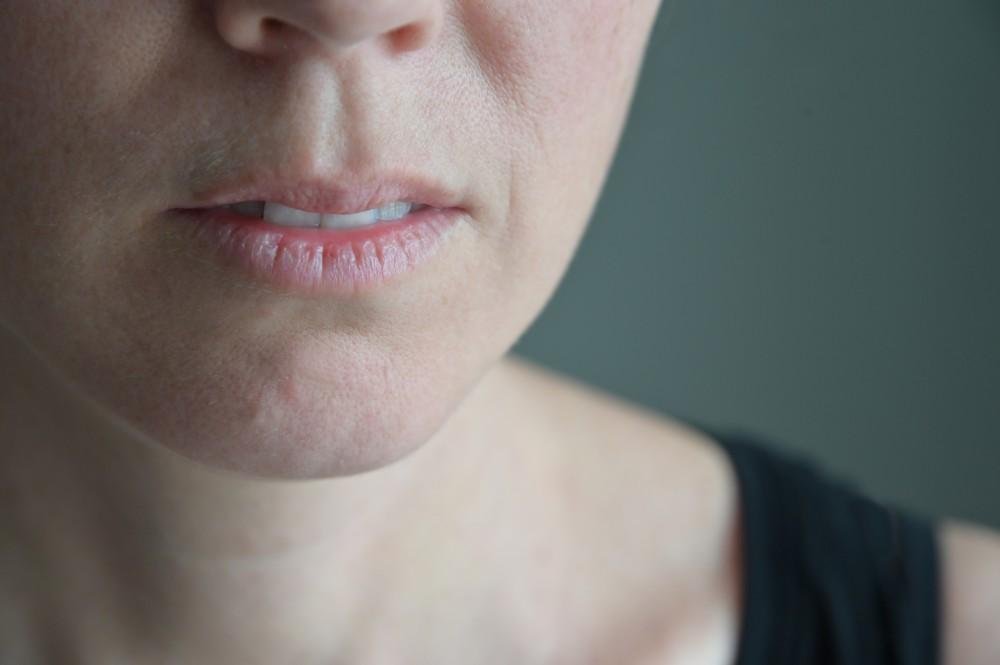
Waking up with a parched, sticky feeling in your mouth almost every morning usually points to one of a handful of common causes, most of which are manageable once you know what is behind it.
Some degree of dry mouth in the morning is not unusual. Your tongue sits mostly still for hours overnight, which means very little saliva gets produced, and a quick glass of water and brushing your teeth is often all it takes to feel normal again. But if you wake up most mornings reaching for water and feeling uncomfortably parched, it is worth understanding why. At Bayside Dental Arts, in Bayside, New York, Andrey Ilyabayev, DDS, and our team help patients get to the bottom of chronic dry mouth, including cases tied to sleep apnea.
What Causes Dry Mouth
Xerostomia, known commonly as dry mouth, occurs when the salivary glands fail to produce enough saliva. Saliva does more than keep your mouth wet. It helps you chew and digest food, flushes germs and debris away from your teeth, and lets you speak and swallow smoothly. According to the Cleveland Clinic, dry mouth is common, affecting roughly one in five people, and the risk increases with age.
A wide range of things can cause it, and more than one often overlaps:
- Certain medications, including some antihistamines, decongestants, antidepressants, and blood pressure medicines
- Dehydration or simply not drinking enough water during the day
- Anxiety or nervousness
- Tobacco or alcohol use
- Aging, along with related changes in medication use and nutrition
- Autoimmune conditions such as Sjögren’s syndrome, which directly affects the glands near the mouth
- Snoring or mouth breathing during sleep
Most of these causes affect you during waking hours or throughout the day. Dry mouth that shows up specifically at night and greets you every morning, though, often points to something happening while you sleep.
Sleep Apnea and Overnight Dry Mouth
When you snore or struggle to breathe during sleep, you naturally open your mouth to get more air. That constant airflow dries up your saliva overnight, leaving you parched by morning. Xerostomia is one of the most common symptoms of obstructive sleep apnea (OSA), yet it is also one of the most easily overlooked, since most people assume dry mouth on its own is not worth mentioning to a doctor.
General Ways to Ease Dry Mouth
Regardless of the cause, a few habits can help most people find relief day to day.
- Sip water throughout the day, not just when you notice thirst
- Chew sugar-free gum or suck on sugar-free lozenges to stimulate saliva production
- Use a mouth rinse formulated specifically for dry mouth
- Run a cool-mist humidifier in your bedroom, especially if you breathe through your mouth at night
- Cut back on tobacco and alcohol, both of which make dry mouth worse
- If a medication seems to be the cause, ask your doctor whether taking it earlier in the day, rather than at night, might help
These habits can ease the discomfort, but if dry mouth keeps coming back most mornings, especially alongside snoring or gasping for air during sleep, it is worth looking into the underlying cause rather than just managing the symptom.
Solutions for Dry Mouth Due to Sleep Apnea
Dry mouth is more than uncomfortable. Left untreated, it can increase your risk of tooth decay and bad breath, since saliva plays a real role in washing away the bacteria that cause both. Staying hydrated and keeping up good oral hygiene helps manage the symptoms, but it will not address the root issue if sleep apnea is the cause.
Obstructive sleep apnea requires its own treatment. At Bayside Dental Arts, Dr. Ilyabayev can evaluate your risk factors and symptoms to help diagnose OSA. Men are about twice as likely to develop the condition, especially if they are overweight or have congested airways.
Other symptoms of sleep apnea worth watching for include:
- Sore throat
- Irritability
- Brain fog
- Frequent sleep interruptions
Over time, chronic sleep disruption from untreated sleep apnea can raise your blood pressure, affect your memory, and increase your risk of heart disease and stroke.
Treatment for sleep apnea varies depending on what is obstructing the airway. For a mild to moderate case, we might recommend a custom-made oral appliance that gently repositions your jaw forward or holds your tongue in place. For a more severe case, Dr. Ilyabayev might recommend a CPAP machine to maintain continuous airway pressure through the night.
When to Talk to Someone About Dry Mouth
Occasional dry mouth from dehydration or a stressful day is nothing to worry about. But dry mouth that shows up most mornings, especially alongside snoring, gasping for air, or daytime fatigue, is worth mentioning to a professional rather than waiting it out. A dentist can look for early signs of decay or gum irritation tied to chronic dry mouth, and can help identify whether sleep apnea or another cause is behind it.
Andrey Ilyabayev, DDS, and our team have helped patients throughout Bayside, Queens, and the surrounding area understand what is behind their dry mouth for years, and get proper treatment when sleep apnea turns out to be the cause. If you suspect your daily dry mouth is connected to how you are sleeping, book an appointment online and we will help you get to the bottom of it.
Frequently Asked Questions About Dry Mouth
Is Dry Mouth Every Morning Always a Sign of Sleep Apnea?
No. Dry mouth has many possible causes, including medications, dehydration, aging, and certain health conditions. Sleep apnea is a common cause of overnight dry mouth specifically, especially when it is paired with snoring or gasping for air during sleep, but an evaluation is the only way to know for sure.
Can Drinking More Water at Night Fix Morning Dry Mouth?
Staying hydrated during the day helps, but drinking water right before bed will not prevent dry mouth caused by sleep apnea or mouth breathing, since the issue is airflow overnight rather than hydration itself.
What Are the Health Risks of Untreated Dry Mouth?
Chronic dry mouth increases your risk of tooth decay, gum irritation, and bad breath, since saliva normally helps wash away the bacteria responsible for all three. If sleep apnea is the underlying cause, the condition itself also carries its own separate health risks.
How Does a Dentist Treat Dry Mouth From Sleep Apnea?
Treatment depends on severity. Mild to moderate cases often respond well to a custom oral appliance that repositions the jaw or tongue to keep the airway open. More severe cases may need a CPAP machine to maintain steady airway pressure through the night.
Should I See a Dentist or a Doctor for Dry Mouth?
Either can be a good starting point. A dentist can spot early signs of decay or gum irritation from chronic dry mouth and screen for sleep apnea symptoms, while a physician can evaluate other underlying causes like medications or health conditions.
About the Author
Dr. Ilyabayev provides general, cosmetic, and implant dentistry at Bayside Dental Arts in Bayside, Queens, including evaluation and treatment for sleep apnea and the dry mouth it can cause.